



A Multimillion-dollar Tax Bonanza: How Hamas Took Back Economic Control of the Gaza Strip
Hamas has started re-imposing taxes and commissions on goods entering Gaza, capitalizing on the renewed flow of dual-use items and the growing number of private trucks entering the enclave. According to estimates, it has already generated more than 200 million shekels ($66 million) since the cease-fire began. At the same time, Israel is losing control over its mechanisms for monitoring what enters Gaza, while the United States is constraining the Israeli government’s ability to curb the flow of cash to Hamas. A Shomrim investigation.
Hamas has started re-imposing taxes and commissions on goods entering Gaza, capitalizing on the renewed flow of dual-use items and the growing number of private trucks entering the enclave. According to estimates, it has already generated more than 200 million shekels ($66 million) since the cease-fire began. At the same time, Israel is losing control over its mechanisms for monitoring what enters Gaza, while the United States is constraining the Israeli government’s ability to curb the flow of cash to Hamas. A Shomrim investigation.
Hamas has started re-imposing taxes and commissions on goods entering Gaza, capitalizing on the renewed flow of dual-use items and the growing number of private trucks entering the enclave. According to estimates, it has already generated more than 200 million shekels ($66 million) since the cease-fire began. At the same time, Israel is losing control over its mechanisms for monitoring what enters Gaza, while the United States is constraining the Israeli government’s ability to curb the flow of cash to Hamas. A Shomrim investigation.
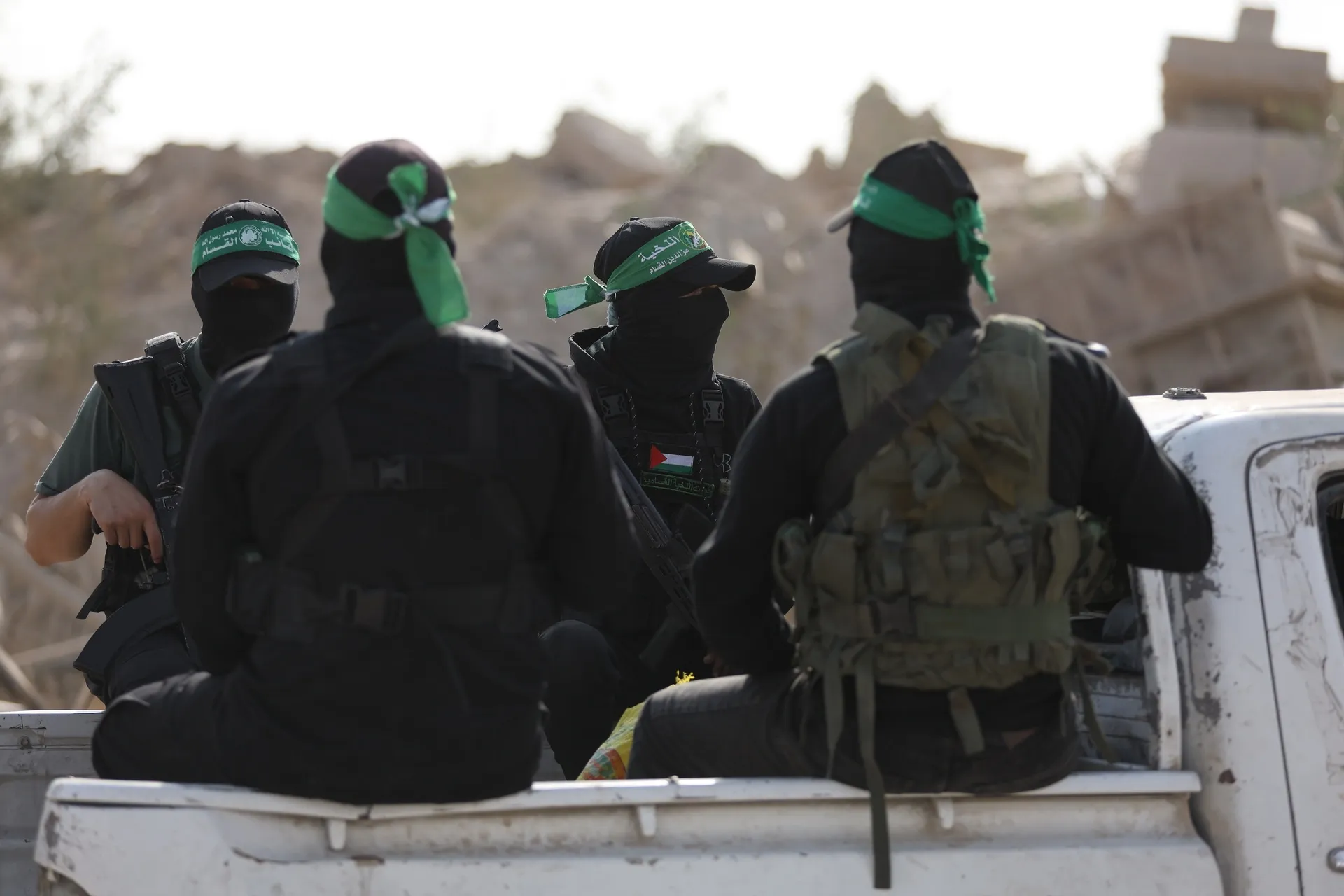
Armed Hamas terrorists in Gaza this month. Photo: Reuters

Uri Blau

Milan Czerny
November 26, 2025

Summary


Listen to a Dynamic Summary of the Article
Created using NotebookLM AI tool
Hamas is levying taxes and commissions on goods entering the Gaza Strip from Israel, a return to pre-war patterns. According to estimates, the organization has raised tens of millions of dollars in the past month alone. This money is allowing Hamas to rebuild its military force and reestablish its control over the Palestinian enclave after two years of war. In many ways, a month or so after the cease-fire went into effect, Hamas is slowly restoring the control it enjoyed over Gaza before October 7, 2023.
Hamas has been able to reassert itself amid the increasing involvement of the United States in Gaza, which has limited Israeli oversight over the goods entering the enclave. Under pressure from the Trump administration, dual-purpose materials have already started entering the Gaza Strip, and the income raised through taxes has become a key part of Hamas’ cash flow.
How 4,200 trucks a week became Hamas’ tax bonanza
When the cease-fire began, Israel committed to allowing 4,200 trucks per week to enter Gaza - about 600 per day. The shipments include food, produce, cigarettes, and fuel. Three main groups purchase these goods: international organizations (such as UN agencies and the aid group Samaritan’s Purse); foreign governments, which donate the goods directly to Gaza’s population; and local Gazan traders who import various products into the Strip.
While the Israeli agency that oversees operations in the Palestinian territories declines to disclose how much of Gaza’s incoming goods are purchased by each sector, Shomrim learned that there has been a steep increase in private-sector imports, which now account for an estimated 20% to 30% of daily shipments. These goods, which include, for example, cigarettes, are the main source of Hamas’ tax revenue.
According to information obtained by Shomrim, Hamas charges a fee for every private truck entering Gaza, depending on its content: food, for example, is taxed at a lower rate than cigarettes. The average payment for a single truck can be as high as 50,000 shekels ($15,000). This means that Hamas is pocketing more than 50 million shekels every week – some 200 million shekels since the cease-fire began.
Fuel is also a lucrative good for Hamas. Although incoming fuel is officially designated for hospitals, bakeries and other essential establishments, Hamas is taking control of some of the imported fuel and then selling it on the private market. The price of a liter of gasoline in Gaza can be as high as 170 shekels ($56).

How does Hamas manage to get its hands on humanitarian aid?
At the same time, according to an official closely involved in the Gaza Strip, Hamas is also managing to get its hands on some of the humanitarian aid entering the enclave, especially the food that is not collected by the refugees for whom it is designated. The food is then sold on the private market and, once again, the profits go straight into Hamas’ coffers. Evidence of Hamas’ return to prominence on the ground and to the importance of collecting taxes from its perspective, the official adds, is that the only ministry it has taken over since the cease-fire began is the Ministry of National Economy – which is responsible for taxation.
One of the key questions that arises from this economic picture is how, after two years of devastating war, which left millions of people out of work and infrastructure in ruins, are some Gazans able to buy expensive goods on the private market. It turns out that tens of thousands of Palestinians in the Gaza Strip – Fatah members who worked for the government before Hamas came to power – are still receiving salaries from the Palestinian Authority in Ramallah. In addition, those who work for international organizations are still receiving a salary.
How does Hamas charge a commission on money transfers?
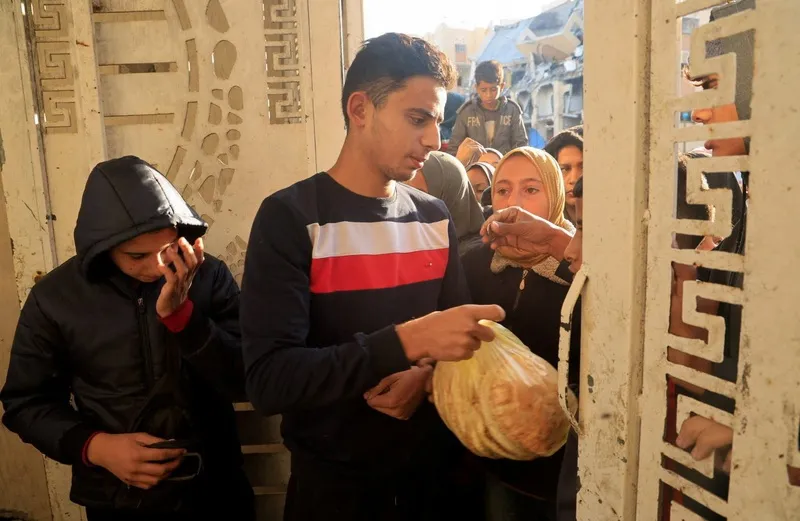
In Gaza, where cash has become a rare commodity, most transactions are conducted using local apps, with Hamas charging a commission of up to 40 percent on cash transfers into Gaza. For example, if a Palestinian in Ramallah wants to use one of these apps to send 1,000 shekels in cash to someone in Gaza, the recipient would have to pay 400 shekels to collect it.
Economist Eyal Ofer, who has studied the economy of Gaza, explained to Shomrim how Hamas’ tax system worked even before the war. “From early in 2018, Hamas started levying a tax that it called the solidarity tax. Every lawyer in Gaza had to pay Hamas 100 shekels every time someone came for a consultation.” According to Ofer, even if Hamas does not assume full control over the population of Gaza immediately, the flow of resources currently entering the Strip is a golden opportunity for the organization. “In the past, Hamas controlled about 20 percent of Gaza’s economy. Now it could control just 5 percent and still turn a profit,” Ofer adds.
Hamas’ Tax System – The New Data
- Spike in private imports: A sharp rise in the import of goods by individuals, making between 20 and 30 percent of the average daily content of trucks
- Mandatory payment for each truck: Hamas charges each private truck entering Gaza according to the contents
- Cost per truck: The average payment per truck can reach around 50,000 shekels
- Total revenue: More than 50 million shekels a week and more than 200 million shekels since the cease-fire began
- Black-market fuel: Some of the fuel earmarked for essential establishments is being diverted to the private market, yielding high profits
- Resold humanitarian aid: Humanitarian products that are not collected by refugees reappear on the private market
- High commissions on money transfers: Gazans pay a commission of up to 40 percent on money sent via local apps
- American pressure changed policy: The United States insists that Israel allow dual-purpose goods into Gaza, which were previously banned
- Extorting importers: Traders in Gaza report that ‘unknown elements’ take huge sums for the import of dual-purpose goods