


Exclusive: Israel and Jerusalem Churches Quietly Negotiate a Deal Over Long-Disputed Property Taxes
The Jerusalem Municipality is seeking hundreds of millions of shekels from major Christian denominations in municipal property taxes triggering U.S. lobbying efforts, diplomatic pressure and high-level negotiations including intervention by Prime Minister Benjamin Netanyahu
.webp)
The Jerusalem Municipality is seeking hundreds of millions of shekels from major Christian denominations in municipal property taxes triggering U.S. lobbying efforts, diplomatic pressure and high-level negotiations including intervention by Prime Minister Benjamin Netanyahu
The Jerusalem Municipality is seeking hundreds of millions of shekels from major Christian denominations in municipal property taxes triggering U.S. lobbying efforts, diplomatic pressure and high-level negotiations including intervention by Prime Minister Benjamin Netanyahu
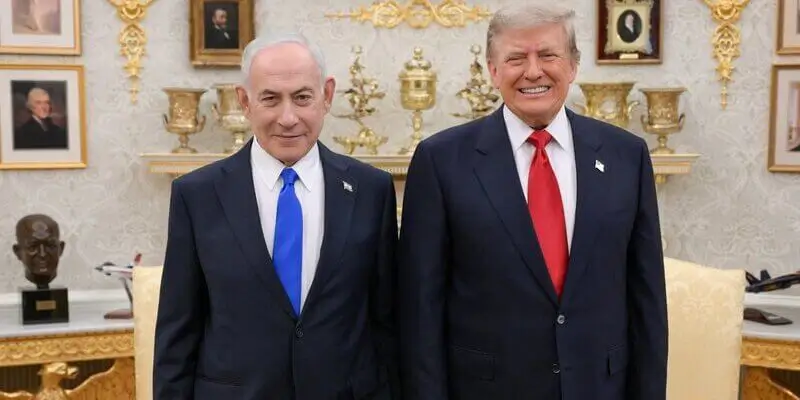
Prime Minister Netanyahu and the Church of the Holy Sepulchre in Jerusalem. Photos: Reuters, Shutterstock
Uri Blau
June 22, 2026

Summary


Listen to a Dynamic Summary of the Article
Created using NotebookLM AI tool
The Jerusalem Municipality is currently engaged in secret negotiations with the Catholic Church, the Greek Orthodox Church and the Armenian Orthodox Church, in an effort to reach an agreement whereby they start paying municipal property tax (known in Israel as arnona) for the first time since the establishment of the State of Israel. An investigation by Shomrim reveals that City Hall is demanding payment – some of it retroactively – of hundreds of millions of shekels (tens of millions of dollars). A source involved in the negotiations told Shomrim that representatives of the three Christian churches understand that, in the end, they will have no choice but to pay up.
The talks are being conducted under the auspices of the Ministry of Foreign Affairs and each of the churches is negotiating independently with Israeli authorities. As part of the discussions, the churches’ assets are being mapped out and the sides are trying to reach an agreement over which properties will be subject to property tax and whether the payment will be retroactive. There is a diplomatic element to these negotiations: Many of the properties in question are located in areas Israel captured during the Six-Day War, in 1967 and payment of property tax to the Jerusalem Municipality could be construed as tacit recognition of Israeli sovereignty over East Jerusalem.
None of the churches in Jerusalem have ever paid municipal property tax. The exception is based on the Municipal and Government Taxes Ordinance, which was first introduced during the British Mandate, which determined that religious, educational and health institutions – along with other nonprofit groups – are exempt from municipal property tax .Under a 1993 mutual recognition agreement, Israel and the Vatican agreed to negotiate the Catholic Church’s property rights in Israel, including municipal taxes, while preserving the status quo pending a final agreement.

More than 30 years later no final-status agreement was ever reached. However, in recent years, Jerusalem, Nazareth, Tel Aviv and Ramle municipalities have all changed their policy and began demanding tax payment for properties they claim are not exempt from municipal property taxes, and have even launched legal action. Some two years ago, church leaders in Israel described the moves as “a coordinated attack” and sent a letter on the matter to Prime Minister Benjamin Netanyahu. As far as the churches are concerned, the government should take into account the fact that they also run dozens of schools which do not enjoy any state funding.
The crisis intensified last year when the Jerusalem Municipality froze the bank accounts of the Greek Orthodox Patriarchate, triggering a diplomatic incident. The Jordanian Foreign Ministry condemned the move, stating that “the decision constitutes a clear violation of the historical and legal status quo regarding the holy sites for Islam and Christians in occupied Jerusalem.”
In response to the crisis, the Catholic Church hired the services of the Livingston Group, a Washington-based lobbying firm. According to documents filed in the United States – which are being published here for the first time – meetings were arranged with staffers from the offices of Senate Majority Leader Chuck Schumer and Speaker of the House Mike Johnson, as well as with Democratic Senator Chris Van Hollen – an outspoken critic of the Netanyahu government. The lobbyists also contacted Israel’s ambassador to the U.S., Yechiel Leiter. Municipal property taxes were one of the key issues discussed at these meetings, which also touched on recent incidents of Jewish Israelis harassing and even attacking Christians in the Holy Land.
The pressure bore fruit. The documents show that, in August last year, Netanyahu sent a letter to the heads of the local authorities in Israel, asking them to refrain as far as possible from sending any more payment requests “in light of far-reaching diplomatic and strategic considerations.”
Netanyahu also wrote that: “During the dialogue that took place between the State of Israel and the United States, a request was relayed to us to refrain from the legal proceedings that municipalities in Israel have taken against Christian churches as part of their efforts to secure property taxes payments.” The prime minister went on to say that the issue “is highly sensitive from a political perspective, especially for the current U.S. administration.” He also tasked Foreign Minister Gideon Sa’ar with overseeing talks between representatives of the churches, the state and the local authorities. As a result of Netanyahu’s letter, the legal proceedings were frozen and the negotiations revealed here were launched.
.webp)
The main issue: Will churches pay back taxes?
By law, houses of worship are exempt from municipal property taxes. The debate therefore centers around assets that are not necessarily included in the exemption: commercial properties, guest houses and residential areas in monasteries. Another central dispute is the question of retroactivity: the Jerusalem Municipality initially sought payment retroactively for seven years, and in cases where warning letters were sent, even further back. One official says that the municipality would now be satisfied if the churches paid municipal property taxes on most of their assets from the beginning of the current year. Any agreement reached in Jerusalem is expected to set a precedent for upcoming negotiations with other local authorities across the country.
A source involved in the talks on behalf of the churches confirmed the details. The Ministry of Foreign Affairs did not respond toShomrim’s request for comment.
The Jerusalem Municipality issued the following statement: “The municipality is in dialogue with church representatives in the city to permanently settle the issue of property tax debts on assets not used as a house of worship, and to obtain the necessary documentation for institutions eligible for discounts or exemptions. We will not comment on the specific issues under discussion or the details of the talks. The municipality will continue to act on behalf of all its residents, enforcing the law respectfully and to the letter, as it is obligated to do.”