


Ministry of National Security Withheld Funding – and a Drug Harm Reduction Program Could Be Closed
The Yizhar Program, which offers help and treatment to people in homelessness, women in prostitution and drug addicts, could be forced to close its Tel Aviv branch, after the Ministry of National Security failed to transfer 660,000 shekels. The ministry claims that the treasury is withholding budgets. A Shomrim exposé
The Yizhar Program, which offers help and treatment to people in homelessness, women in prostitution and drug addicts, could be forced to close its Tel Aviv branch, after the Ministry of National Security failed to transfer 660,000 shekels. The ministry claims that the treasury is withholding budgets. A Shomrim exposé
The Yizhar Program, which offers help and treatment to people in homelessness, women in prostitution and drug addicts, could be forced to close its Tel Aviv branch, after the Ministry of National Security failed to transfer 660,000 shekels. The ministry claims that the treasury is withholding budgets. A Shomrim exposé
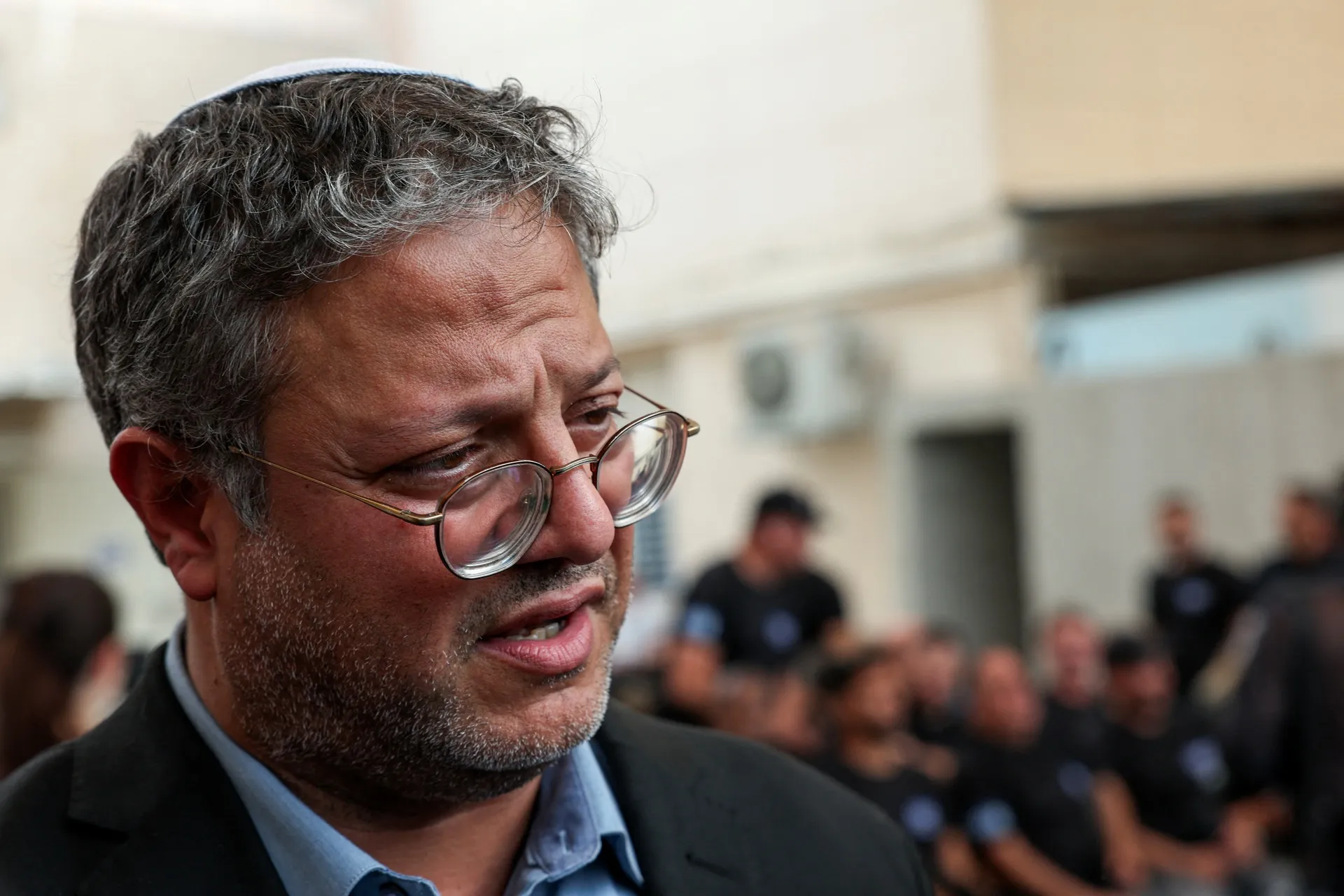
Minister Itamar Ben-Gvir. Photo: Reuters
Daniel Dolev
November 5, 2025

Summary


Listen to a Dynamic Summary of the Article
Created using NotebookLM AI tool
One of the most important drug harm reduction programs in Israel could be forced to close one of its five centers because the Ministry of National Security has not transferred 660,000 shekels ($205,000). The program, which helps people experiencing homelessness, women in prostitution and drug addicts, is expected to close its Tel Aviv branch. One civil servant who is familiar with the program told Shomrim that, “These are the weakest members of the population,” adding that the closure will be “a catastrophe.” The Ministry of National Security, for its part, blames the Ministry of Finance.
The Yizhar program operates centers in Be’er Sheva, Jerusalem, Haifa, Ashdod, and Tel Aviv, as well as sending teams out onto the streets of those cities. Staff – most of whom are volunteers – provide their patients with medical and emotional support, help them take full advantage of their social rights, and refer them to rehab centers. They also distribute clean needles to intravenous drug users and condoms to women in prostitution, to prevent the spread of disease.
“What we are in fact doing is, first and foremost, mitigating the spread of disease by operating needle-exchange programs and handing out condoms in areas where prostitution is rife, says Shlomi Revivo, Yizhar’s National Program Director. “If you get rid of that, people will be discarding syringes from the ground, which they will then share. But, in the end, what we’re doing is minimizing the harm and minimizing human suffering.”
According to Revivo, “they say that these people are transparent. I wish they were. Instead, they’re shunned. Our program provides them with a sense of normality and gives them back their humanity. Some of the people who come here from the street are shadows of human beings, with all the smells and the sights – and we welcome them with open arms. They come here and eat, shower, shave, and talk to someone who knows them – and you see different people walking out.”
.webp)
Ministries blame each other – and the Tel Aviv branch faces closure
The program is operated by the Public Health Association and its funding comes from two sources: the Ministry of Health, which contributes 1.8 million shekels ($560,000) annually and the Ministry of National Security, which is supposed to transfer 660,000 shekels ($205,000). According to sources involved in the program, last year, the Ministry of National Security did not transfer its share of the funding, and the shortfall was temporarily covered by the Ministry of Health. The Ministry of Health, however, has announced that it will not do the same again next year – and the only solution appears to be the closure of the Tel Aviv branch.
“The significance of this cut is the closure of a municipal facility that services more than 4,500 patients a year at the drop-in center, around 5,000 documented encounters on the street, more than 500 meetings to assist claiming rights and accompanying dozens of rehab and rehousing cases,” Revivo wrote recently to the program’s volunteers. “And above all, it has alleviated the daily suffering of hundreds of people who find themselves at the extreme end of the spectrum of risk and neglect.”
The Ministry of National Security confirmed the details of this report, adding that: “Because the Ministry of Finance has not transferred the full sum, it was not possible to make the budgetary transfer of 660,000 shekels for the treatment of people in homelessness and drug addicts. The issue is part of the work plans awaiting approval. Unfortunately, the Ministry of Finance’s conduct is not allowing significant programs to continue operating as usual.”
The Ministry of Finance responded: “We are unaware of any request from the Ministry of National Security on the issue.”
The Ministry of Health responded: “The Ministry of Health believes in the Yizhar Program and in the solution that it provides – and will continue to fund it according to the commitment the ministry has made. In light of the changes to budgeting external to the ministry, it is necessary to adapt the program’s activity, to act responsibly and ensure that it continues operating within the existing resources.”
Update
Following publication of this article, a group of parliamentarians, led by MK Meirav Ben Ari (Yesh Atid), initiated a discussion on the matter at the Knesset Labor and Welfare Committee. All those present at the meeting, including committee chair MK Michal Woldiger (Religious Zionism), expressed their support for Yizhar’s work. The representative of the Ministry of National Security, meanwhile, reiterated that the problem stemmed from the massive cut to the budget of the National Authority for Community Safety, from around 120 million shekels ($37.5M) to just 33 million ($10M) shekels. Nonetheless, after the discussion, the budget was found, and the Knesset’s Finance Committee approved its transfer.
.webp)