


A Russian Shadow Fleet, Stolen Wheat in Haifa and Ukrainian Accusations: ‘What More Does Ukraine Need to Do to Get Israel to Listen?’
Last week, a Russian-flagged vessel discharged some 7,500 tons of wheat in Haifa. Ukraine claims that the wheat originated in territories seized by Russia and that trading in it violates international law. According to the Ukrainian foreign minister, Israel ignored advance warnings – but the Ministry of Foreign Affairs in Jerusalem offers a different version of events. A Shomrim investigation
Last week, a Russian-flagged vessel discharged some 7,500 tons of wheat in Haifa. Ukraine claims that the wheat originated in territories seized by Russia and that trading in it violates international law. According to the Ukrainian foreign minister, Israel ignored advance warnings – but the Ministry of Foreign Affairs in Jerusalem offers a different version of events. A Shomrim investigation
Last week, a Russian-flagged vessel discharged some 7,500 tons of wheat in Haifa. Ukraine claims that the wheat originated in territories seized by Russia and that trading in it violates international law. According to the Ukrainian foreign minister, Israel ignored advance warnings – but the Ministry of Foreign Affairs in Jerusalem offers a different version of events. A Shomrim investigation
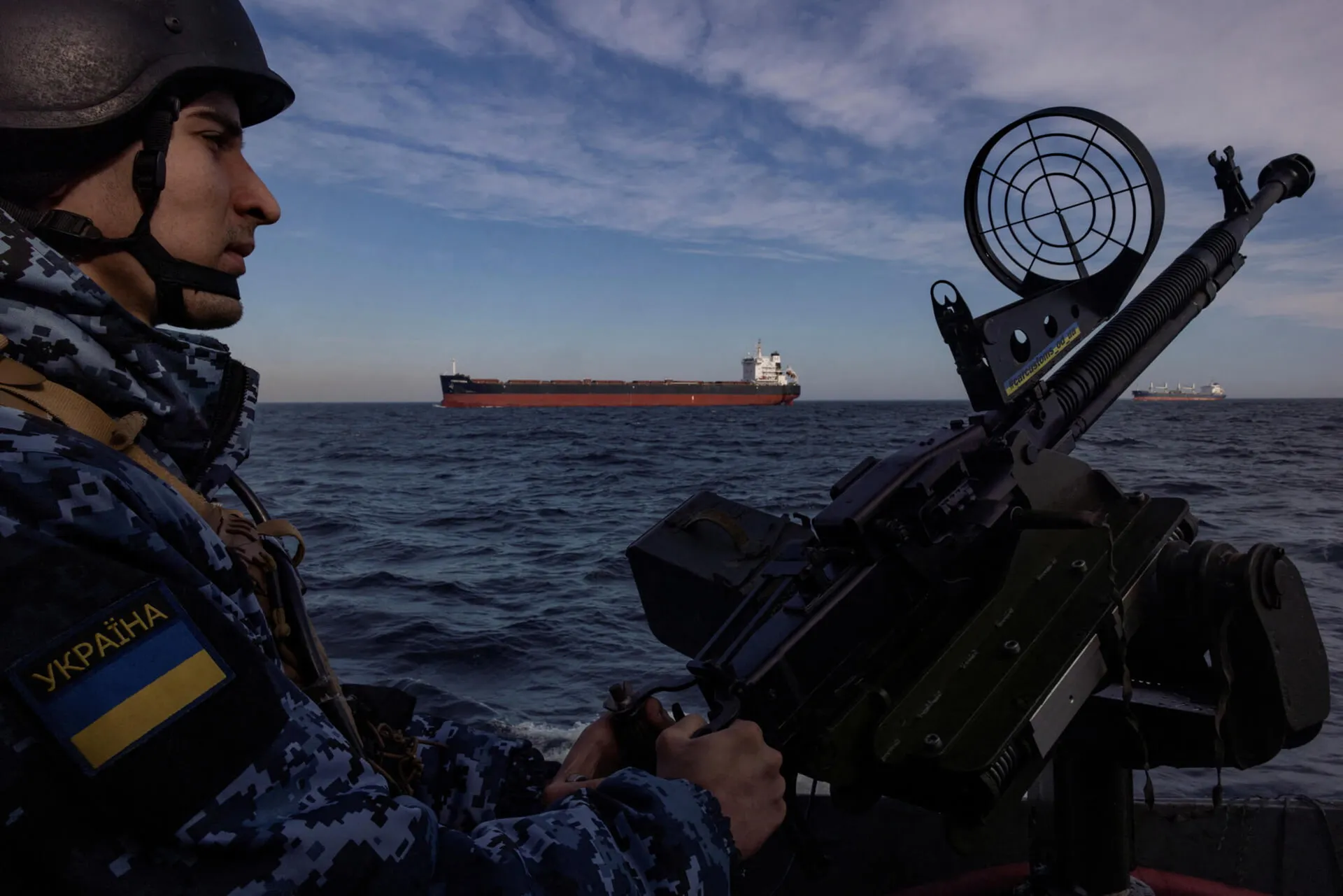
A serviceman in Ukraine’s coast guard mans a gun on a patrol boat as a cargo ship passes by in the Black Sea. Photo: Reuters

Shuki Sadeh
April 20, 2026

Summary


Listen to a Dynamic Summary of the Article
Created using NotebookLM AI tool
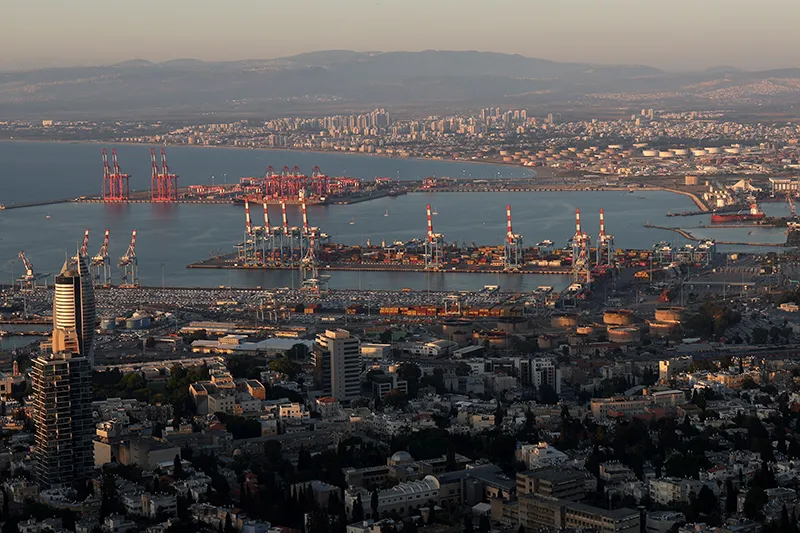
Israel has been accused of allowing a cargo of wheat originating in Russian-occupied Ukraine to be unloaded at Haifa – despite being given advance warning of its arrival and acting in violation of international law. According to the Ukrainian Ministry of Foreign Affairs, ABINSK – which was flying under a Russian flag – was permitted to discharge around 7,500 tons of wheat into the Dagon grain silo in Haifa last week.
“Ukraine did everything that it was supposed to do – right up to the highest levels of government,” says Ukrainian journalist Kateryna Yaresko in a conversation with Shomrim. “Our intelligence services relayed the information, the ambassador took action and the foreign minister called his Israeli counterpart. Our Prosecutor General personally handed details of the materials to the Israeli ambassador in Ukraine. What more does Ukraine need to do to get Israel to listen?”
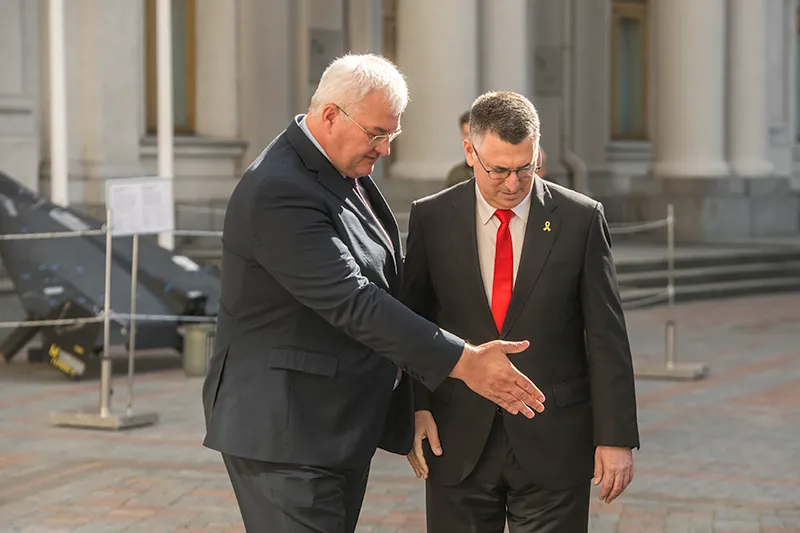
Here are the details: On April 14, Ukrainian Minister of Foreign Affairs Andrii Sybiha said in a post on social media that he called his Israeli counterpart, Gideon Sa’ar, to protest Israel’s failure to take action on the matter. Sybiha wrote in the post that, among other things, he told Sa’ar that “the illegal export of stolen Ukrainian agricultural products is part of Russia’s broader war effort.”
Two days later, on April 16, the Ukrainian Ministry of Foreign Affairs published a long statement on its website, detailing its version of events. According to that official statement, authorities in Kyiv told Israel as far back as March 23 – some three weeks before it actually docked – that the vessel was due to arrive in Haifa and “assurances were received [from Israel] regarding an appropriate response.”
“It is concerning,” the statement says, “that despite the information provided and contacts between the parties, the vessel was allowed to unload.” At the same time, Axios and Channel 12 journalist Barak Ravid reported that Ukrainian intelligence identified the likely route of the ship carrying Ukrainian grain and transferred that information to the Prosecutor General’s Office in Kyiv on March 20.
According to the Ukrainian Ministry of Foreign Affairs’ version of events, they then contacted Israeli authorities and asked for legal assistance on the matter, citing a ruling from a Ukrainian court issuing a detention order for the Russian vessel. In the statement, Ukraine calls for the ship to be halted and for its cargo to remain on board. Despite the warnings and the requests, the grain was unloaded and the vessel has since left the Israeli shore.
Sanctions only apply to ‘stolen’ wheat
It’s important to understand the legal situation here. According to international law, countries are forbidden from using or taking advantage of resources in occupied territories. In December 2023, the International Maritime Organization passed a resolution describing the Russian invasion of Ukraine as having a “devastating impact […] on safety and security of international merchant shipping.” It went on to single out the importance of the Black Sea for Ukraine’s exports. The resolution called on the international community to “refrain from any action or dealing that might be interpreted as recognizing any altered status” and to act to uphold international maritime law.
The Ukrainian statement uses the phrase “shadow fleet” to describe the network of private vessels that, according to Kyiv, Russia operates for the purpose of bypassing sanctions and concealing the origin of goods, including grain from occupied territories. It is important to note that grain is exempt from the international sanctions against Russia, so the issue at hand is not the actual produce that is being exported – but the fact that it has been exported from occupied Ukrainian territory.
According to documents and data obtained by Shomrim, in early February, a privately owned Russian vessel named LEONID PENSIKOV docked at a port in the Caucasus region carrying a cargo of grain destined for unloading. A day later, according to the documents, the cargo was transferred to a different vessel, apparently to ABINSK, which then continued on to its final destination – Haifa.
In addition, according to maritime tracking data quoted by Ukrainian databases that monitor maritime activity in the Black Sea, in recent years, the vessel LEONID PENSIKOV has appeared in the context of transporting grain from areas of Ukraine under Russian occupation.
In response to the Ukrainian allegations, Israeli diplomatic officials who agreed to speak to Shomrim claim that Ukraine acted in such a way that made it impossible for Israel to take any action. According to these officials, the Ukrainians acted within a recognized procedure of requesting legal assistance in the case of stolen goods – something that is unrelated to war zones and can happen anywhere, such as the theft of a cargo of electrical appliances from a port in Western Europe.
In order to act in a case involving the trade of goods from occupied territories, the Israeli officials say, a clear court order is required instructing Israel to take action – and no such order was ever received.
Responses
The Ministry of Foreign Affairs said in response: “We have relayed our response to our Ukrainian friends through diplomatic and professional channels.”
The Ministry of Agriculture, which is responsible for issuing import licenses for agricultural produce, said: “Grain imports are conducted by private importers in a free-market framework. Regarding phytosanitary aspects, the Agriculture and Food Security Ministry’s Plant Protection and Inspection Services examine every shipment based on the required documentation and established protocols to prevent pests from entering Israel. These inspections address the country of origin from a phytosanitary perspective only. Matters relating to certificates of origin and the verification of the goods’ source fall under the jurisdiction of the Ministry of Economy and Industry, the Tax Authority and the Ministry of Foreign Affairs, and should be directed to them.”
The Ministry of Economy and Industry responded: “Wheat imports to Israel are managed through general import quotas, which the Ministry of Agriculture allocates to importers sourcing from World Trade Organization member states. Since this specific case does not involve a bilateral free trade agreement, the Ministry of Economy is not the government authority responsible for the matter.”