


Closed Shelters Under Fire: Thousands at Risk as Israel’s Densest City Keeps Public Shelters Shut
Bnei Brak is Israel’s most densely populated city – and it has a severe lack of residential bomb shelters. Despite the ongoing war with Iran, locals say that reinforced spaces in nearby educational institutions remain locked during missile barrages – a claim that City Hall denies
Bnei Brak is Israel’s most densely populated city – and it has a severe lack of residential bomb shelters. Despite the ongoing war with Iran, locals say that reinforced spaces in nearby educational institutions remain locked during missile barrages – a claim that City Hall denies
Bnei Brak is Israel’s most densely populated city – and it has a severe lack of residential bomb shelters. Despite the ongoing war with Iran, locals say that reinforced spaces in nearby educational institutions remain locked during missile barrages – a claim that City Hall denies
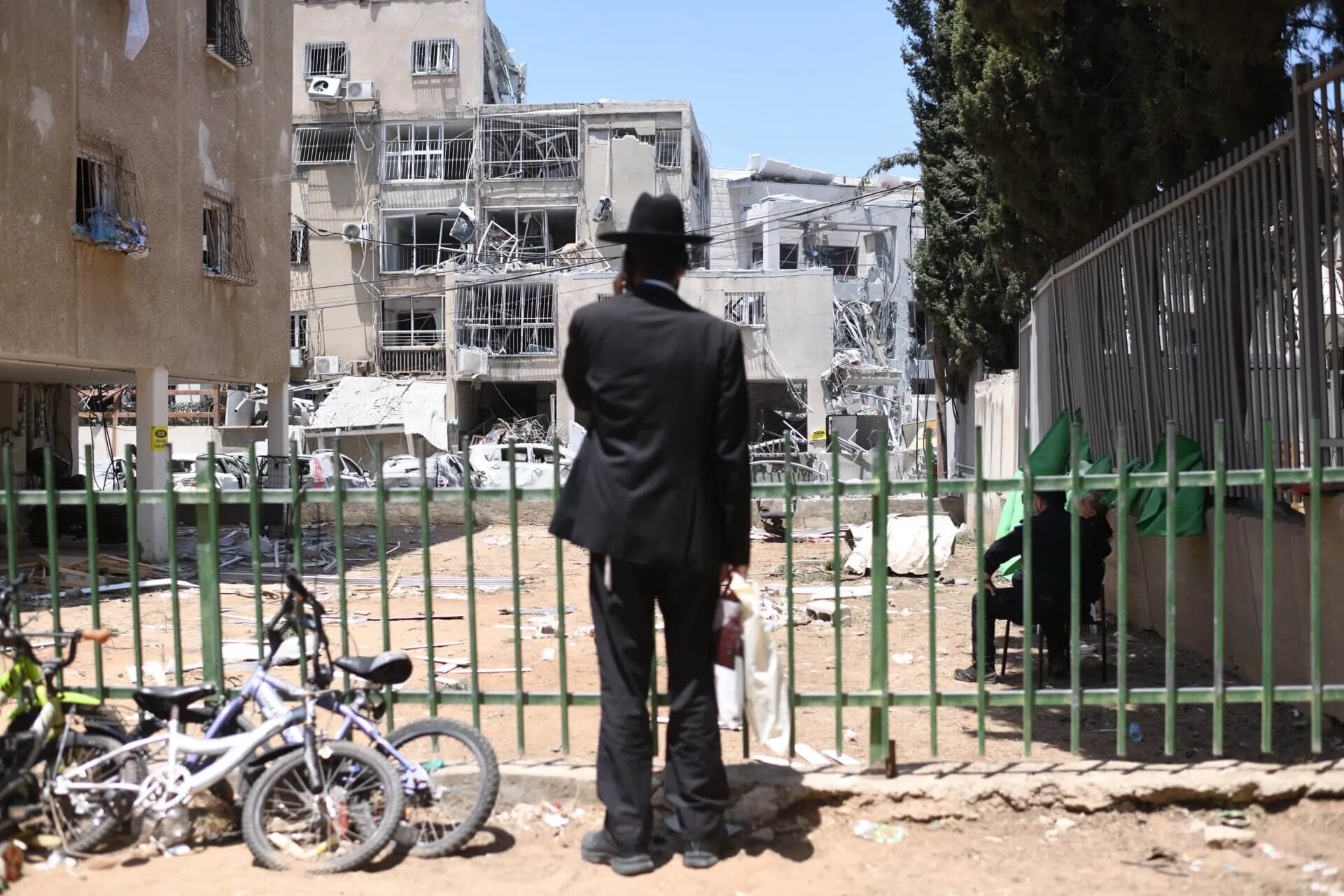
A man looks at the scene of a missile strike in Bnei Brak, June 2025. Photo: Reuters

Lir Spiriton
March 5, 2026

Summary


Listen to a Dynamic Summary of the Article
Created using NotebookLM AI tool
Days into the latest conflict between Israel and Iran and despite the ongoing rocket attacks, several public bomb shelters in Bnei Brak remain closed. During the 12-day conflict in June, Avraham Cohen, a 75-year-old resident of the city, was killed in a missile strike. According to one local resident, “throughout Shabbat, most of the public shelters were closed. And even those that were open had to be reached via roundabout routes.” According to testimonies obtained by Shomrim, the city’s shelter crisis has reached a critical point, leaving hundreds if not thousands of residents in mortal danger with each new barrage.
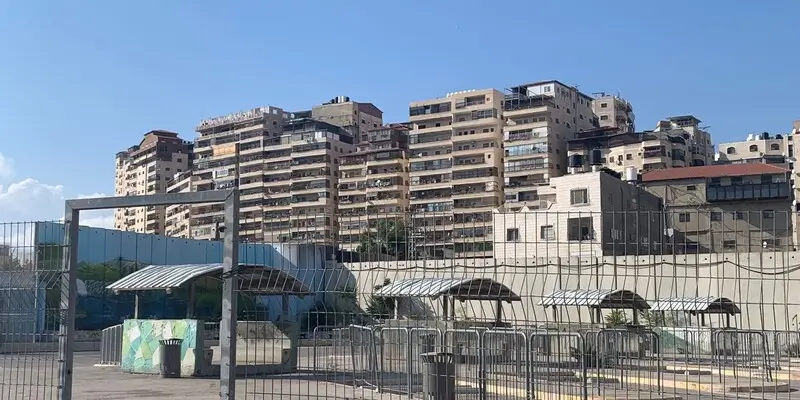
The ongoing conflict with Iran has reignited an issue that surfaces during these periodic military operations, but now is being felt more urgently than ever. Bnei Brak, the most densely populated city in Israel due in part to its large family units, suffers from a severe lack of residential shelters. This infrastructure gap forces a significant number of residents to rely on public facilities such as schools, kindergartens and community centers for protection. However, many report finding these life-saving spaces locked during emergencies. Further testimonies obtained by Shomrim suggest some institutions are actively barring entry to the public, while residents claim their appeals to the municipality are being dismissed with a variety of excuses.
%20(1).webp)
.webp)
Yaakov Vider, a member of the Bnei Brak City Council, tells Shomrim that the complaints are incessant. “I got calls from residents saying that they were unable to access bomb shelters in public parks. That’s nothing new; it was the same during the last round of fighting. Bnei Brak is a very densely populated city. The private shelters aren’t enough; not only are there not enough shelters, the ones that do exist can’t hold everyone. Some shelters have limited entry to women and children, simply because there isn’t enough room.”
According to Vider and other sources, the municipality told residents who complained that shelters were not being opened because City Hall was worried about damage to property or maintenance issues. Vider rejects this explanation: “People tell me that this is what they were told by the city’s hotline. This is an indefensible justification. Is City Hall’s top concern right now that someone will steal toilet paper or damage equipment? They could just send over a municipal worker to put all of the city’s property to one side and lock it in a closet. This is a matter of life and death – not a game. The Ministry of Education has also ordered the opening of shelters in its institutions to the public. Bnei Brak municipality has one of the largest workforces in the country; they should deploy them to gather whatever valuable equipment they claim is preventing them from opening shelters to the public and stop using such a lame excuse,” Vider adds. “These are public buildings – and when the public needs them they are locked.”
One Bnei Brak resident sent Shomrim a series of videos showing reinforced, bomb-proof rooms on different stories of a school adjacent to his home – all of which were locked. Other residents who sent similar images to Vider declined to be interviewed. “It could hurt my children in school,” wrote one worried mother, while another resident added: “I know the City Hall only too well. Sooner or later, it will screw over my family.”
When presented with the findings of this report, the Bnei Brak Municipality issued a brief statement claiming that “all municipal shelters and supplementary fortified spaces remain open and available to the public.”