



Knesset Panel After Shomrim Investigation: “The Government Is Financially Punishing Religious Young Women Who Chose to Serve in the IDF”
Following a Shomrim investigation, the Knesset’s Special Committee on Young Israelis held a hearing on religious women serving in the IDF. Figures presented to the committee showed that the state invests six times more in a religious woman who chooses national service than in one who enlists in the military. “These figures reveal outrageous systemic discrimination,” said committee chair MK Naama Lazimi. “Anyone who contributes to the country should not face discrimination because of her faith.”
Following a Shomrim investigation, the Knesset’s Special Committee on Young Israelis held a hearing on religious women serving in the IDF. Figures presented to the committee showed that the state invests six times more in a religious woman who chooses national service than in one who enlists in the military. “These figures reveal outrageous systemic discrimination,” said committee chair MK Naama Lazimi. “Anyone who contributes to the country should not face discrimination because of her faith.”
Following a Shomrim investigation, the Knesset’s Special Committee on Young Israelis held a hearing on religious women serving in the IDF. Figures presented to the committee showed that the state invests six times more in a religious woman who chooses national service than in one who enlists in the military. “These figures reveal outrageous systemic discrimination,” said committee chair MK Naama Lazimi. “Anyone who contributes to the country should not face discrimination because of her faith.”
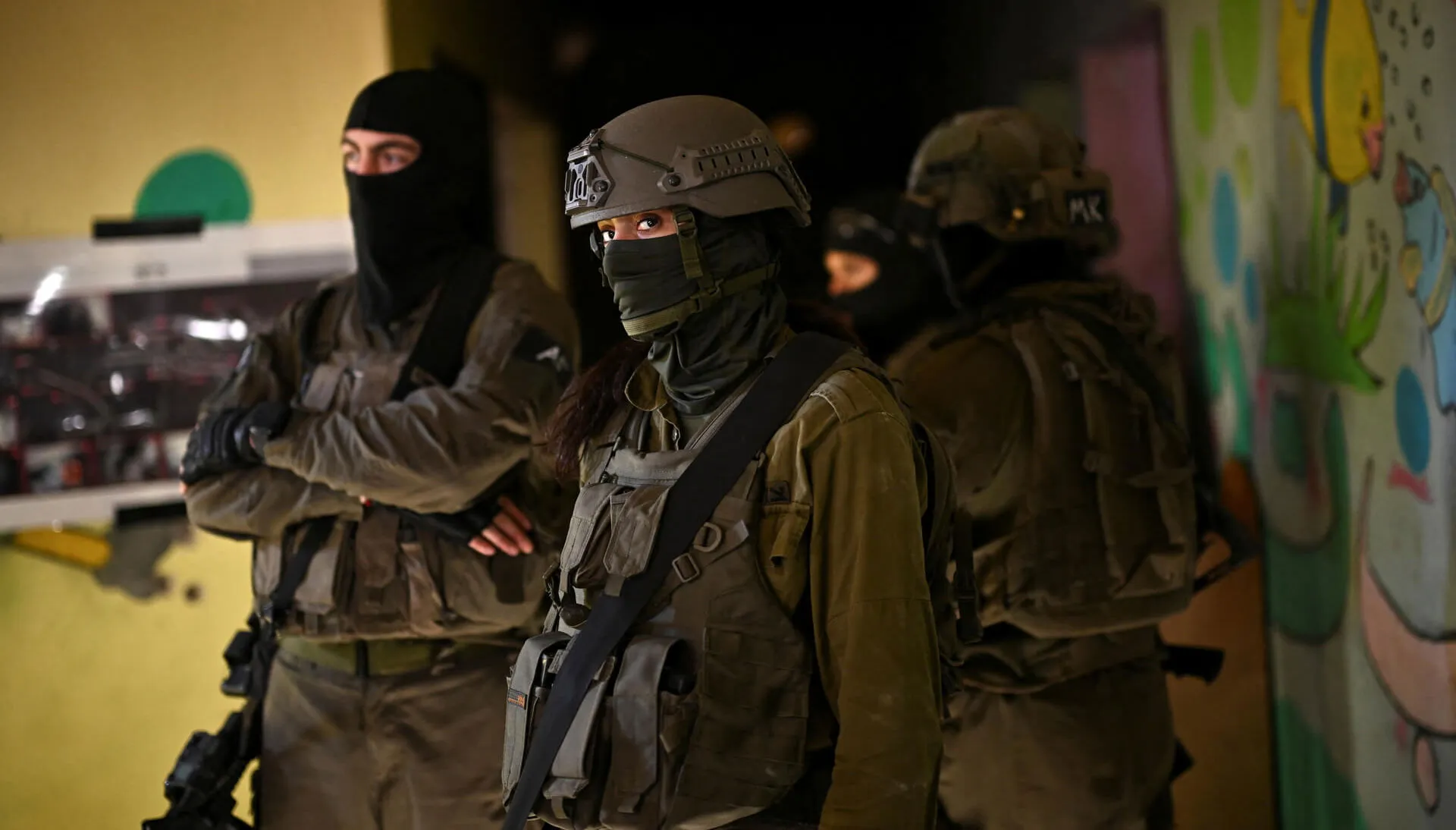
A female soldier in Gaza, February 2024. Photo: Reuters

Shuki Sadeh
May 6, 2026

Summary


Listen to a Dynamic Summary of the Article
Created using NotebookLM AI tool
The Knesset’s Special Committee on Young Israelis, headed by MK Naama Lazimi (The Democrats), convened on May 6 to discuss the military enlistment of religious girls, following a report published by Shomrim. The most recently published figures show that at least 40 percent of girls graduating from the state religious education system opt to enlist in the military, rather than declaring that they are exempt for religious reasons. The real figure today, however, is expected to be even higher, at around 50 percent, given that the most recently published numbers come from two years ago and have yet to fully factor in the increase in motivation to serve due to the October 7 war. Nonetheless, religious girls are discriminated against in terms of how much the IDF and the state religious education system invest in preparing them for their military service.
According to figures presented by the Aluma NGO, which operates the Meshartot B’Emuna (“Serving with Faith”) program, the Israeli government invests around 1,283 shekels ($440) in preparing a religious high‑school girl for national service, compared to just 199 shekels on a religious girl who opts to join the IDF instead. Aluma’s data also showed that 15 percent of religious girls who serve in the IDF go on to become officers (compared to a national average among girls of 11 percent) and that 11 percent of them join combat units (compared to a national average among girls of just 7 percent).
According to data presented to the committee by the Knesset’s Information and Research Center, there has been a 27 percent increase in the number of girls enrolled in midrashot hesder – the girls’ equivalent of the boys’ yeshivot hesder – from 986 girls in 2022 to 1,257 in 2025.
.webp)
“These figures show that there is outrageous systemic discrimination: a graduate of the state religious education system who joins the IDF receives six times less funding from the state than one who chooses national service,” Lazimi said during the committee hearing. “I demand the immediate equalization of preparatory budgets for every girl in the state religious education system and an increase in slots for Torah-based pre-military academies for women. Anyone who contributes to the country should not have to suffer discrimination because of her faith (...) The government is financially punishing religious young women who chose to serve in the IDF, leaving them without preparation or support in the face of intimidation campaigns and stereotyping.”
Mevasseret Nevo, the chairperson of Aluma, told the committee meeting that “in addition to increased demand, there are also significant gaps in terms of support and guidance, which means that many girls are forced to make complex decisions without an adequate support framework. The Aluma NGO, which operates the Meshartot B’Emuna program, has been working for two decades to support girls who choose to enlist, through cooperation with state authorities and the state religious education system. Strengthening and expanding existing solutions will make it possible to ensure that every young woman can make an informed, personalized and supported choice.”
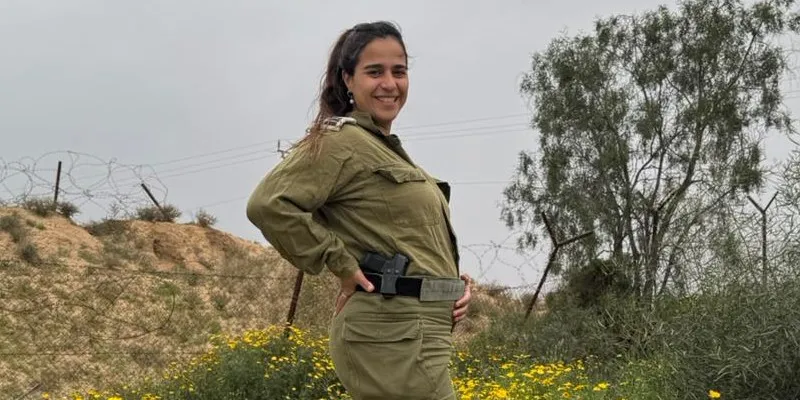
Rabbi Ohad Teharlev, head of the Midreshet Lindenbaum seminary and founder of the Maaminot BeMadim (“Believers in Uniform”) organization, told the committee that the state religious education system discriminates between boys and girls when it comes to preparation for military service. While religious boys are offered IDF preparatory programs in schools, he said, religious girls receive no equivalent framework.
In response, Michal De Haan, deputy head of the state religious education system, argued that religious girls are provided with individual guidance regarding preparation for IDF service.

.webp)