


Northern Schools Struggle to Return to Routine Without Bomb Shelters
In Israel’s northern border communities, the school year is effectively over. Although the country has officially returned to normal, many parents say they are no longer willing to take risks, citing the lack of proper protection in schools and fears over school transportation routes. “Some parents opened a private school in their community and are paying teachers out of their own pocket.” A Shomrim report.
In Israel’s northern border communities, the school year is effectively over. Although the country has officially returned to normal, many parents say they are no longer willing to take risks, citing the lack of proper protection in schools and fears over school transportation routes. “Some parents opened a private school in their community and are paying teachers out of their own pocket.” A Shomrim report.
In Israel’s northern border communities, the school year is effectively over. Although the country has officially returned to normal, many parents say they are no longer willing to take risks, citing the lack of proper protection in schools and fears over school transportation routes. “Some parents opened a private school in their community and are paying teachers out of their own pocket.” A Shomrim report.
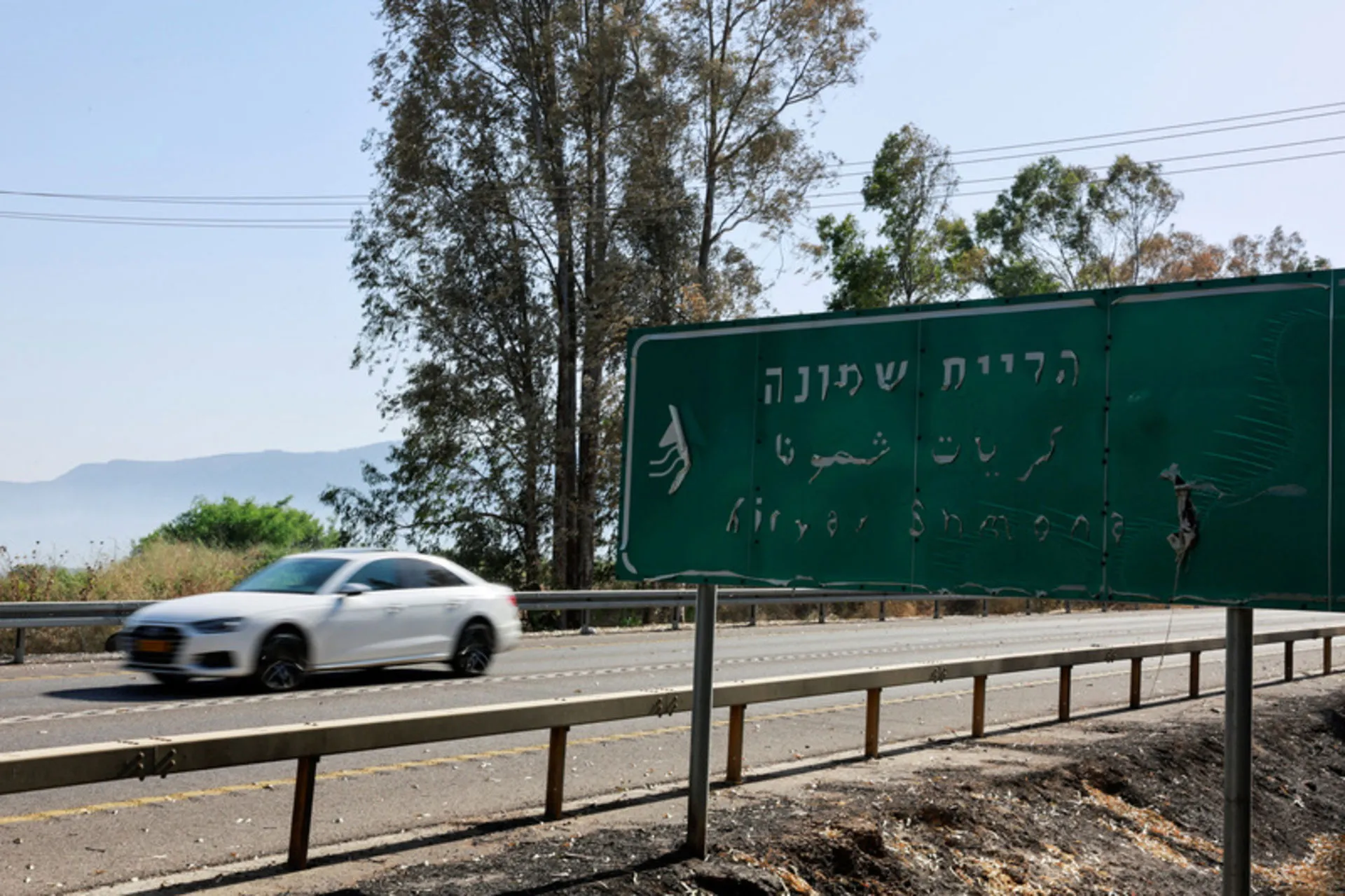
Israel’s northern border, on the road to Kiryat Shmona. Photo: Reuters

Shuki Sadeh
May 12, 2026

Summary


Listen to a Dynamic Summary of the Article
Created using NotebookLM AI tool
A month ago, Shomrim published an extensive investigation into the lack of bomb shelters in northern Israeli communities and how, paradoxically, the towns closest to the border, those most vulnerable and with the shortest warning times, if any, are also the least protected. Since then, Israel has officially returned to routine life, including the reopening of schools. At least on paper.
In reality, many schools in northern Israel remain half empty as parents keep their children at home, citing the lack of proper protected spaces and concerns about the safety of school transportation routes. The situation is particularly acute in communities along the northern border, where residents continue to live under the threat of drone attacks and rocket fire despite the ceasefire.
One example is Manor-Kabri Middle School in Kibbutz Eilon, which serves several communities in the Mateh Asher Regional Council in the western Galilee. Some pupils come from communities directly on the border, while others travel from farther south.
“There’s only a 15-second warning time,” said the mother of a pupil who attends the school but lives in a southern community. “When the siren sounds, the pupils are supposed to lie on the classroom floor because they don’t have enough time to reach the shelter located between the kibbutz and the school.” According to her, construction on six bomb shelters only began last week, even though 12 shelters are supposed to be built at the school.
“We’ve reached a reality where half the pupils come to school and half stay home because there’s no real alternative,” she said. “Some parents have even opened a private school in their own community and hired private teachers that they pay for themselves. The school year ends in just over a month, it already feels lost. I only hope the shelters will be completed before next year, but honestly, I’m not sure.”


.webp)