


Revealed: Police Operating 6,600 Cameras in Public Spaces Nationwide
After years of refusing to disclose data – claiming that doing so would undermine deterrence – it now turns out that the Israel Police are operating a massive surveillance network, connecting thousands of cameras from various sources. And there are plans for a significant expansion of 5,000 more cameras, including controversial facial recognition capabilities that have not been authorized by legislation. A Shomrim exposé
After years of refusing to disclose data – claiming that doing so would undermine deterrence – it now turns out that the Israel Police are operating a massive surveillance network, connecting thousands of cameras from various sources. And there are plans for a significant expansion of 5,000 more cameras, including controversial facial recognition capabilities that have not been authorized by legislation. A Shomrim exposé
After years of refusing to disclose data – claiming that doing so would undermine deterrence – it now turns out that the Israel Police are operating a massive surveillance network, connecting thousands of cameras from various sources. And there are plans for a significant expansion of 5,000 more cameras, including controversial facial recognition capabilities that have not been authorized by legislation. A Shomrim exposé
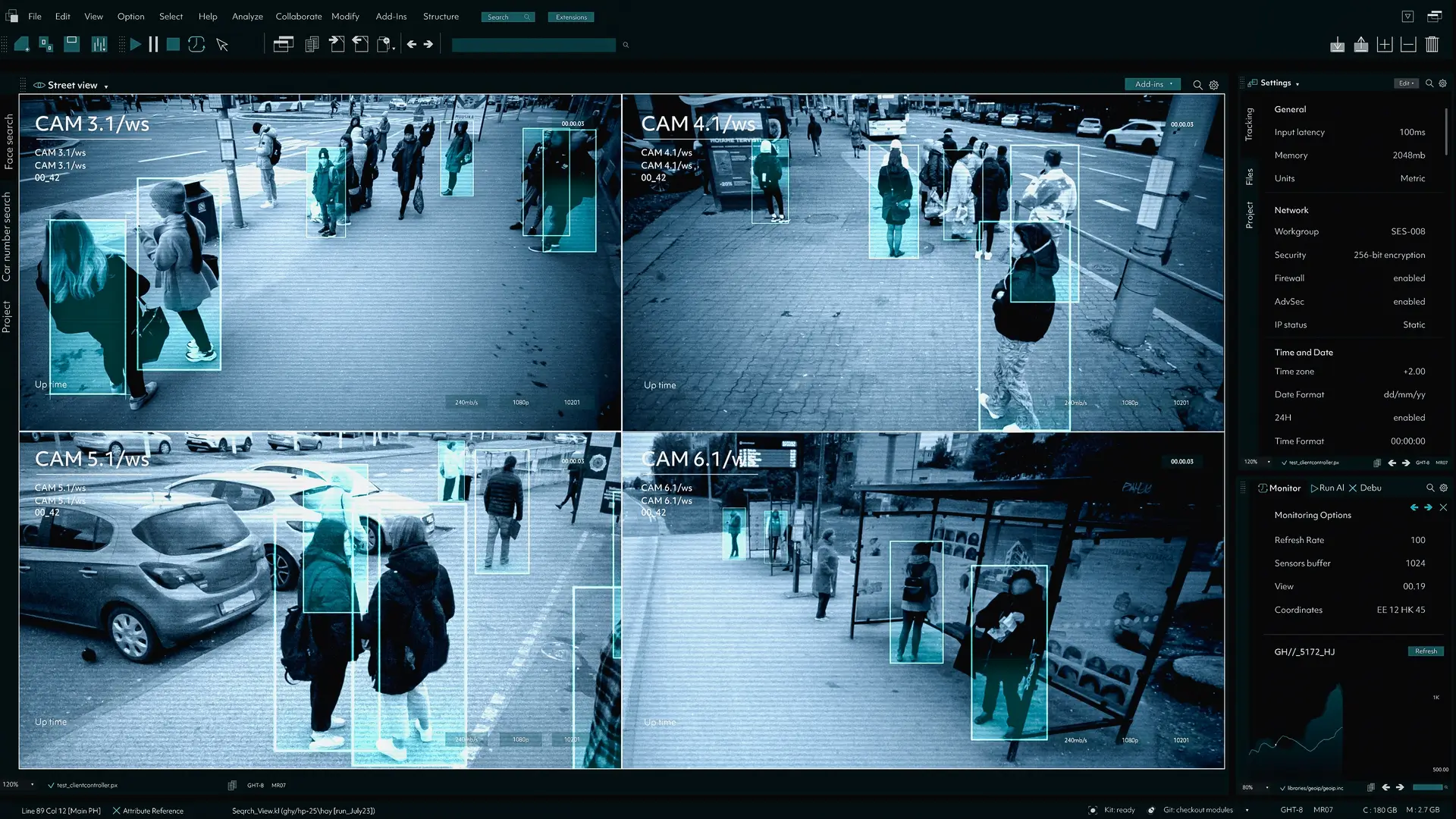
Surveillance cameras in the public space. Illustrative photograph: Shutterstock

Uri Blau

Daniel Dolev
February 1, 2026

Summary


Listen to a Dynamic Summary of the Article
Created using NotebookLM AI tool
The Israel Police are currently operating a surveillance system with real-time access to more than 6,600 cameras across the country and plan to add approximately 5,000 more to the network. While the system already features automatic vehicle recognition capabilities, documents obtained by Shomrim reveal that the police are also purchasing cameras equipped with facial recognition technology. This expansion comes despite the fact that the use of such biometric surveillance has not yet been regulated by law.
As Shomrim revealed earlier this year, police had no remote access to security cameras deployed at the Sderot police station when it came under attack on October 7. As a result, it was decided to unify all of the security cameras at police facilities across the country into a single system, which could be accessed from a remote location. The police published a tender which specified that all of the video-management elements required be manufactured by a certain company, to ensure compatibility with the existing system.
Several petitions were filed against the tender and, during the course of the subsequent court hearings, many more details emerged about the existing network of cameras. Among the material submitted to the court are affidavits and testimony from Chief Inspector Shai Ohana, head of the Eagle Eye automated license plate recognition program and all the police cameras in public places, as well as a document from October 2023 which details goals of the Israel Police’s Technological Division in terms of real-time surveillance.
Until recently, the police have refused to divulge how many cameras it has access to. During a Knesset discussion about the Eagle Eye system, which surveys and documents the movement of Israeli citizens on the roads by reading their license plate and photographing the occupants of vehicles, police representatives argued that revealing the number of such cameras would harm deterrence. “Ambiguity and not giving details helps to maintain deterrence,” said Liat Lev, a lawyer representing the police’s Intelligence Division in July 2023.
Deputy Chief Superintendent Gilad Bahat, head of the Investigations and Technologies Division, added that, “Even the number of cameras – specifically how we scale that number up or down – reveals our deployment patterns and the reach of police deterrence... and that in itself is problematic.” In response to one of the petitions against the tender, however, police revealed that, by the end of 2024, a total of 6,641 cameras were connected to the network – and that they were planning on adding 5,000 more.
“The system was in fact set up by the police’s Technologies Division,” Ohana said at one of the court hearings. “What we did was to take a local network […] and connect everything to a national network.” In total, Ohana said, 26 separate camera networks were combined into one.
Another police document, written just last week, confirms that around 6,500 cameras are connected to the network, explaining that “the system enables the centralization of output from police cameras as well as other sources under a single viewing platform. It allows senior command levels and Israel Police control centers to obtain a situational picture regarding both ‘localized’ incidents occurring at remote stations and a national situational picture during multi-theater events.” Around 2,500 cameras are deployed in Jerusalem and another 500 are deployed across the country; the rest, it seems, belong to local authorities and city councils.
The Knesset only passed legislation approving the Eagle Eye system after its existence was revealed in an investigation by Walla some six years ago. To begin with, the Ministry of Justice sought a law that would grant police the authority to use facial identification cameras, but – citing concerns over privacy – it was eventually decided to make do with cameras capable of identifying objects. Nonetheless, documents that have come to light because of the tender and the subsequent petitions show that the police are at least preparing for the use of facial recognition cameras.
In one of these documents, the police write that one of the reasons for preferring the current systems is that it “allows for integration with hundreds of third-party applications (facial recognition, license plate recognition, smart investigation tools and so on).” Moreover, the list of security equipment that the police want to procure includes cameras specifically designed for facial recognition.
According to the specifications laid out in the police tender, the cameras must be capable of recognizing at least 30 individuals in any image, as well as “facial recognition and registration, including the creation of lists (white/black).” These are the uses that were reportedly excluded from the law, meaning the police lack the authority to employ them.
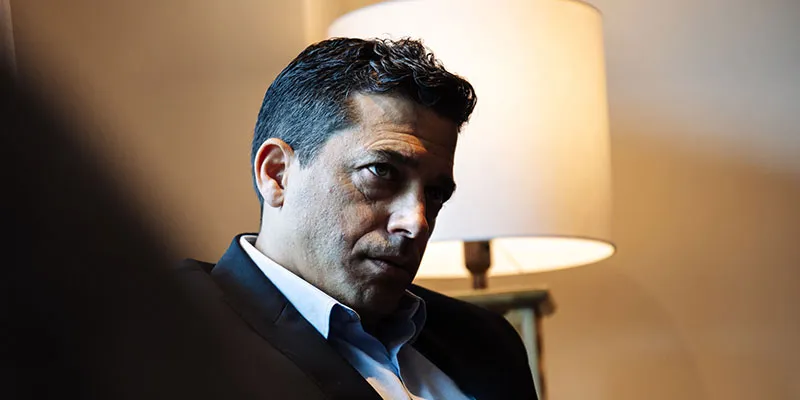
“This information shows that the police view carpeting the public sphere with cameras as a primary goal and it appears the ultimate objective is the use of a massive facial recognition surveillance network. This is the trend among police forces worldwide,” says attorney Gil Gan-Mor, who was involved in the implementation of AI systems for policing on behalf of the Association for Civil Rights in Israel and currently directs a project for the protection of democracy at the Rubinstein Center for Constitutional Challenges at Reichman University.
.webp)
‘We could lose our anonymity in public spaces’
“Even though the police do not have the authority to operate a facial recognition system – only a license plate recognition system – it seems that they assume they will be given that authority sometime in the future and are already acquiring the hardware and the cameras,” says Gan-Mor. “The scale of cameras the police want to connect to the system may indicate that mass surveillance using various types of cameras – especially facial recognition – is set to become a central strategy in future police activity.”
“The amount of information that can be collected by a facial recognition system is massive,” he adds. “Technology makes it possible to store huge amounts of data and to process them using computerized systems. Unless limits are placed on police use of these systems, we could, in the not-too-distant future, completely lose our anonymity in public spaces and the freedom to exist away from the prying eye of the state – all of which will negatively impact the democratic space.”
Gan-Mor warns that “people could be discouraged from participating in protests or other political events if they know that the police can identify everyone who was there. Combining technologies of this kind with the politicization of the police would pose a danger to the integrity of the democratic regime and enable the suppression of political opponents. Statutory regulation is critical.”
An Israel Police spokesperson said in response: “We do not comment on operational methods and capabilities.”