


They Survived the Nova Massacre. Being Soldiers Made It Harder to Get Help
Hundreds of IDF members were attending music festivals off duty when Hamas attacked on Oct. 7. Nearly three years later, some say their military status left them caught between two systems - unable to access benefits available to civilian survivors while facing lengthy waits for recognition and treatment through the Defense Ministry. Published with N12
Hundreds of IDF members were attending music festivals off duty when Hamas attacked on Oct. 7. Nearly three years later, some say their military status left them caught between two systems - unable to access benefits available to civilian survivors while facing lengthy waits for recognition and treatment through the Defense Ministry. Published with N12
Hundreds of IDF members were attending music festivals off duty when Hamas attacked on Oct. 7. Nearly three years later, some say their military status left them caught between two systems - unable to access benefits available to civilian survivors while facing lengthy waits for recognition and treatment through the Defense Ministry. Published with N12
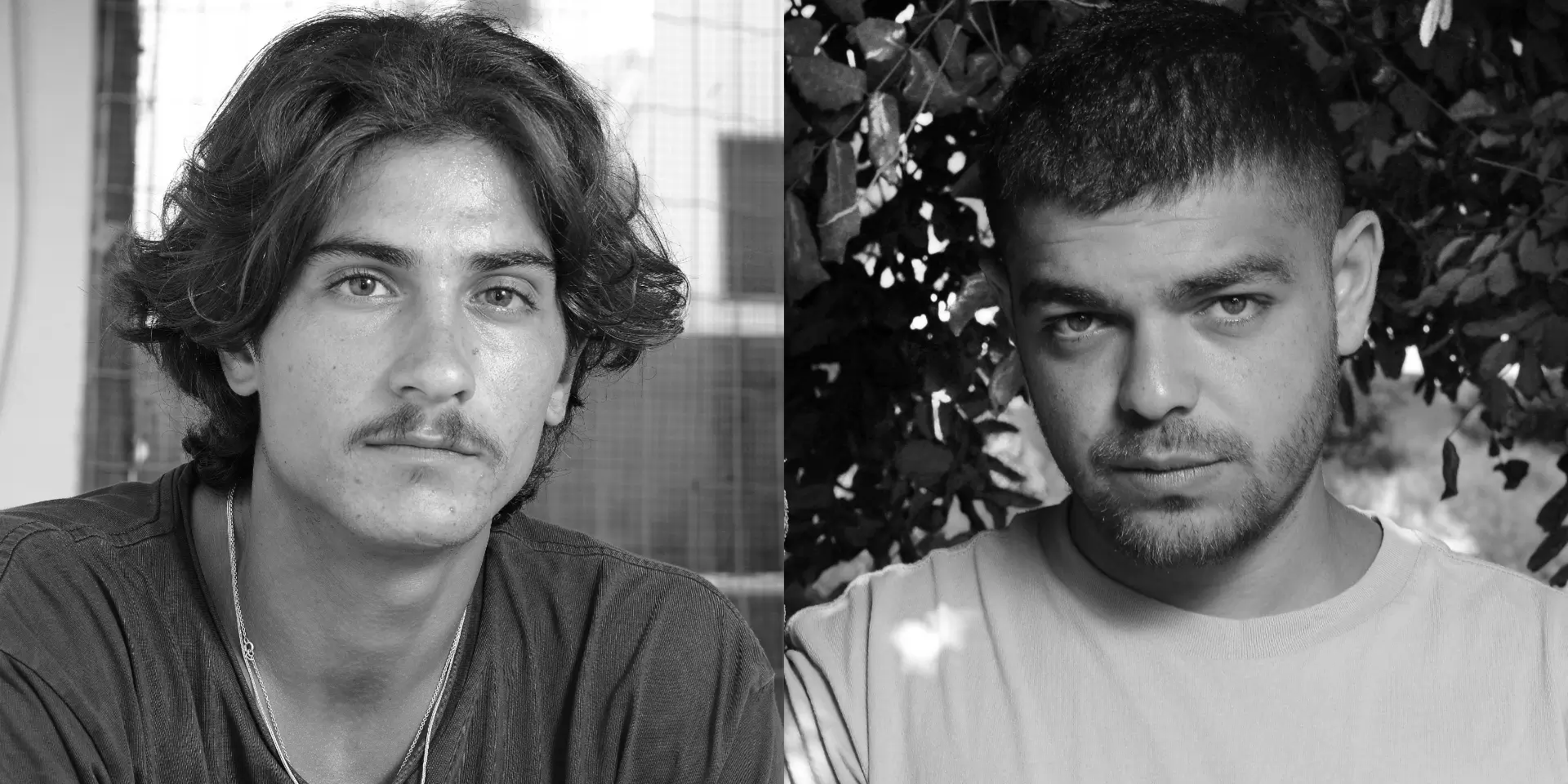
Neria and Noam. Photos: Eyal Yzhar
Yael Shani
August 23, 2026

Summary


Listen to a Dynamic Summary of the Article
Created using NotebookLM AI tool
24-year-old Noam Arush, is a reservist who was still a conscripted soldier when he attended the Nova music festival on October 7, 2023, where he lost his close friend, Guy Simhi. “Sometimes, I close my eyes and I can see him. The sight of him when I emerged from the protected space and saw him there with a massive bloodstain spread across his whole body never leaves my head. Despite his precarious emotional state, Noam still has not received any kind of treatment – not in a military framework and not in a civilian setting.
Arush is part of a small group of Oct. 7 survivors who fell into an unusual bureaucratic gap. They attended the Nova festival while off duty, but because they were active-duty soldiers, they were not treated like other civilian survivors when it came to compensation and access to civilian rehabilitation services. At the same time, some say they encountered bureaucratic barriers to getting the treatment and support they needed through the military and Defense Ministry systems.
Active-duty soldiers receive medical and mental health care through the military. The Defense Ministry's Rehabilitation Division, which handles disability recognition and long-term benefits for injured veterans, generally becomes relevant after discharge. Civilian survivors of the Oct. 7 attacks were covered by a separate civilian assistance system.
As long as the soldier is still an active member of the IDF, he cannot file any claim against the defense establishment; only after he is discharged from the army can he start the process. For many, therefore, the clock begins ticking only on the day they are discharged from army service. Some of the soldiers with whom Shomrim spoke say that they were offered early discharge due to their emotional state – so that they could start the process of being recognized as such – but they decided to stay on out of a sense of duty.
Dozens of soldiers have not been able to use the rights afforded to them by the Defense Ministry’s Rehabilitation Division. According to the ministry’s own figures, some 185 soldiers – either conscripts or people who had joined the standing army – were at the Nova music festival that day. Of them, 134 are being treated by the Rehabilitation Division. The ministry did not say whether the remaining 51 have received no therapy at all or are receiving care elsewhere.
That decision comes with a heavy price: their emotional state deteriorates and the therapy they needed was postponed time and time again. Soldiers who survived the Nova massacre found themselves in an impossible situation: on the one hand, they cannot start the process of rehabilitation as long as they are on active duty; on the other hand, they do not want to cut short their military service to get treatment.
It can take up to a year from the end of a soldier’s compulsory service to the first time that they appear before a mental health committee. And there’s another gap to be considered: while civilians who survived the October 7 massacre were given an automatic emergency grant of 17,000 shekels ($5,600) by the state in the immediate aftermath of the attacks, soldiers are not entitled to any similar payment. So, an extraordinary situation has been created: anyone who happened to be an IDF soldier at the time and was caught up in those horrific events found themselves lagging far behind everyone else in terms of recognition, treatment and exercising their rights.
As far back as September 2024 the government approved the findings of a public committee headed by Prof. Aviad Hacohen, which recommended granting assistance to anyone injured or affected by the events of October 7 and that soldiers should be treated in exactly the same way as civilians in the same situation. “The committee recommends that any soldier or security force member who was in a heavily affected community or attending the music festivals off duty on October 7 should be eligible for assistance,” the report concluded. It also explained the reasoning behind the recommendation: the circumstances of their presence at the site of the massacre were similar to those of civilians who were affected. Yet nearly two years after the recommendation, significant differences remain in the assistance available to soldiers and civilian survivors.
“It is well known that there is discrimination between the soldiers and the civilians who were at the parties on that day,” says Merav Gili Hirsch, the founder of Tribe and Slowness Tribe, two organizations that are helping the music festivals survivors with their individual and communal rehabilitation, who also works with the Home Base organization, which helps survivors get everything they are entitled to. “Civilians got an automatic payment of 17,000 shekels ($5,600). Soldiers did not. But there’s also a gap when it comes to taking full advantage of their rights. Soldiers do not use their rights because no one is there to explain them to them. Moreover, there are soldiers who have not been recognized in any way, shape or form since October 7. The Defense Ministry must find solutions to ensure that everyone gets their rights so that they can extricate themselves from their situations.”
Caught Between Two Systems
B. – a 23-year-old warrant officer in the Navy – asked to remain anonymous. She was at the Nova festival and, to this day, has not been recognized as having been injured there. “On October 7, I was still doing my compulsory service. I had just got back from a trip overseas with my boyfriend. We were a group of friends who always went together to parties in nature. We had been talking about going to Nova even when we were abroad and we arranged to be helpers there.” B.’s friends picked her up from the airport. Her boyfriend decided he was tired and went home, while B. continued on southward to the Nova festival with two of her friends.
“We danced and then, at around 4:30 A.M., I went for a quick nap. I told them to wake me up for the sunrise,” she recalls. “At 6:30, the sirens woke me up. We got all of our stuff together and jumped into the car, but we couldn’t really go anywhere.” At that stage, people began shouting that there were terrorists in the area where the rave was taking place. “We drove around aimlessly for about three hours. Whichever way we started driving, there were terrorists. We didn’t know where to go, and we saw horrific things. In the end, we made it to Ze’elim.”
B. only made it back to her home in the afternoon. Within a few days, she had decided that she would remain in the army. “In terms of what I was doing, I was totally immersed in the army. It helped me not to sink into myself. I found it very hard in social situations; I felt like I couldn’t engage people in small talk. For a year and a half, I was on edge and suffered from anxiety. I would be talking to someone and then, suddenly, I would have a panic attack. There was a period of time when I was having constant nightmares; I would dream that I am fleeing the terrorists again and being shot at.”
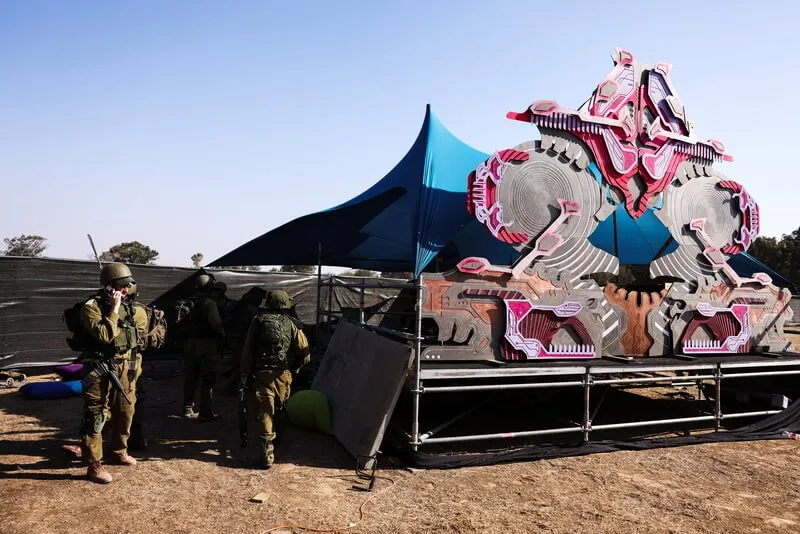
B. says that she started the process with the Defense Ministry’s Rehabilitation Division, but it simply didn’t move forward. “I knew I wanted to get a disability rating, because you need it even for an academic scholarship. The process is that you have to go before a medical board, they set your disability percentage and then you receive eligibility from the state. More than a year ago, I went to a private psychiatrist to get her expert opinion, and I submitted all the documents to the Defense Ministry.”
What has happened since then?
“Absolutely nothing. I have friends who are civilians who got their disability rating ages ago. Until they give me a date for the committee hearings, my whole life is in limbo. The moment I get my disability rating, I can start getting funding for emotional therapy or even a stipend to take the psychometric exam.”
From Nova Back to Combat
It was hard to set up a meeting with Noam Arush. Since he was discharged from military service, he’s been on endless tours of duty in the reserves. “I went to the Nova festival with Guy Simhi, who served with me in the Paratroopers commando unit,” he says. “The massacre began at 6:30 A.M. We fled to Re’im, the kibbutz that Guy was raised on, and that’s where we ran into Hadar, Guy’s childhood friend, who was in the Maglan reconnaissance unit at the time. Guy said that we should help civilians. He rescued people from the mobile shelters into rooms on the kibbutz,” Arush recalls.
“We were in one of the houses with a dozen other people. The terrorists were getting close to that neighborhood and then started shooting at the house. We told Guy to get into the saferoom, but he stayed in the house. I was the last one into the saferoom. A second later, all the terrorists burst into the house. Guy jumped on them, Hadar came out of his hiding place with his weapon drawn and killed some of them. Afterwards, he climbed out of the bathroom window and onto the roof of the house. Guy tried to follow him but fell outside the house and was shot by a terrorist.”
%20%D7%95%D7%A0%D7%95%D7%A2%D7%9D.webp)
“The whole house was in flames. For four and a half hours, we could hardly breathe – until Israeli forces arrived.” Injured, Arush was evacuated to Soroka Hospital in nearby Be’er Sheva, where he spent two days recovering from smoke inhalation. The day after he was released from hospital, he rejoined his unit. “From there, I went straight to maneuvers in Gaza and then to Lebanon. In January 2025, I was discharged from the army. Since then, I have done more than 200 days of reserve duty,” he says. At first, he didn’t recognize the depth of the trauma that he had experienced. “I immediately went back to doing what I was used to doing – because that felt like the right thing to do. I was an administrative officer; I had responsibilities beyond those of a regular combatant and returning was important to me.”
“When I was discharged from the IDF, I started working in sales, but pretty quickly I realized it just wasn’t doing it for me anymore and I went back to the reserves. It’s hard for me to go back to being a normal person after what I went through,” he says with regret. “I also can’t seem to process or show emotions. During the war a good friend of mine killed himself. All the guys fell apart at the funeral, and I just stood there like a block of cement. It’s the same with women; I can go out with someone wonderful, but after a few dates I feel nothing. To the point where if she just got up and walked out, I wouldn’t care.” he says, adding that he would very much like to get help for it.
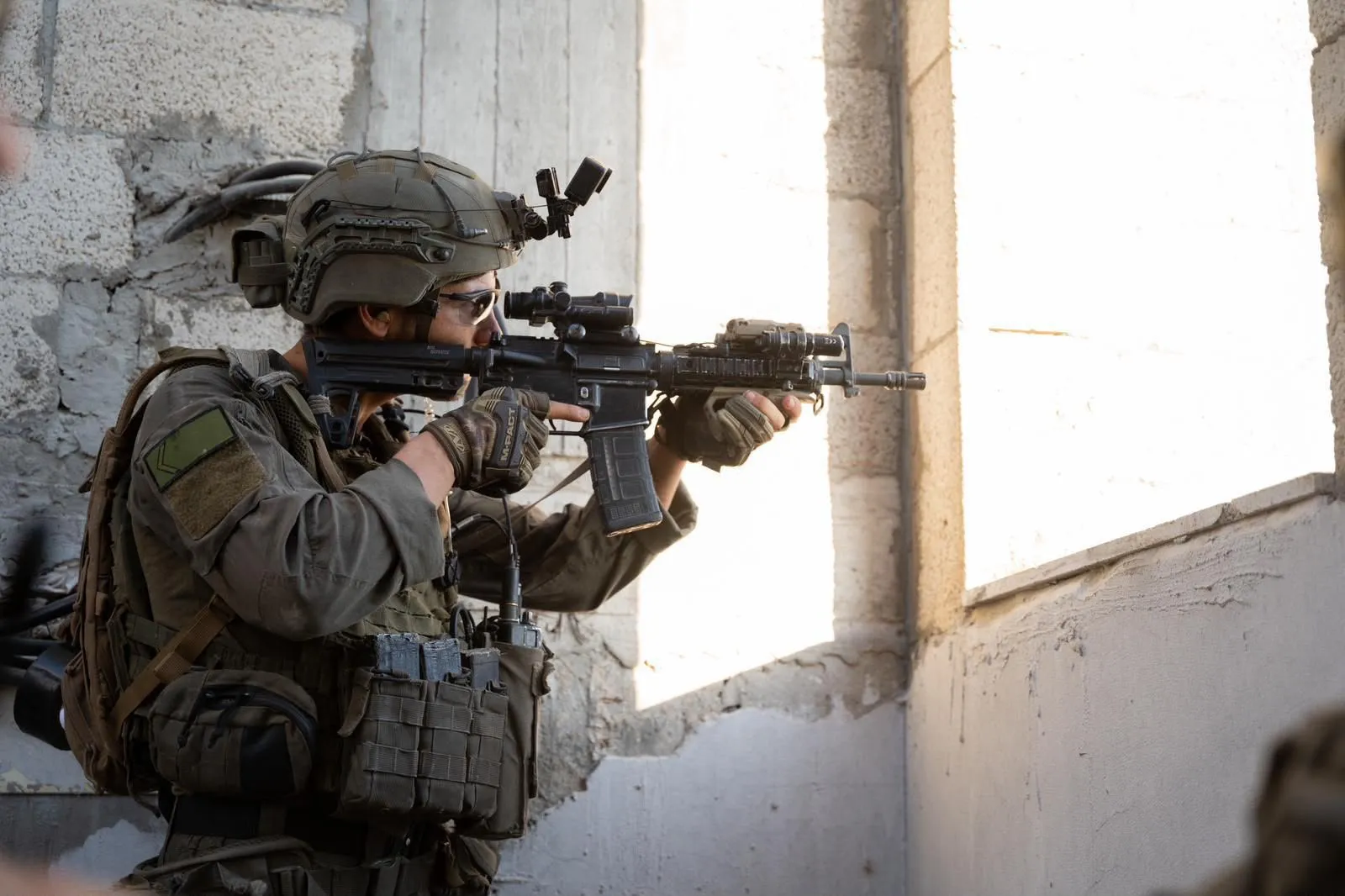
Have you had any kind of treatment since October 7?
“No. Not even a mental health officer in the army. I’m afraid that they will categorize me as disabled. Also, the fact that they said that anyone with mental problems can’t serve in the reserves made me decide not to seek treatment. The next stage is to meet a professional therapist through the Rehabilitation Department to get an initial opinion – but I keep on postponing it. I’m worried that a wounded IDF veteran won’t be able to get integrated into the labor market, that I will be stigmatized as disabled and that no one will want to hire me. But I would like to get treatment from some professional therapist who could help me modulate the addiction to thrills and adrenaline. I am not mentally stable. I can sit here with you, and everything will be fine, but half an hour later I can be very anxious.”
“Soldiers don’t go to treatment, they go back to active service – some of them on the very same day, some of them a few days later,” says Merav Gili Hirsch. “They didn’t go into a framework that supported them, they didn’t stop to take care of themselves; instead, they returned straight to operational duty. They put themselves and their mental health to the side. We know that the chance of developing PTSD decreases the earlier someone gets treated, so it is in the national interest for them to receive care as quickly as possible. That isn’t happening. Not everyone has made it to the committees, because the Defense Ministry only summons people to committees a year after their discharge. They aren’t really able to go back to work, either. How are they supposed to sustain their lives? These are young people who just got discharged from the army. If the state doesn’t provide them with all the necessary solutions and a complete support package, how can it expect them to keep giving back?”
After Recognition, Her Disability Rating Was Cut
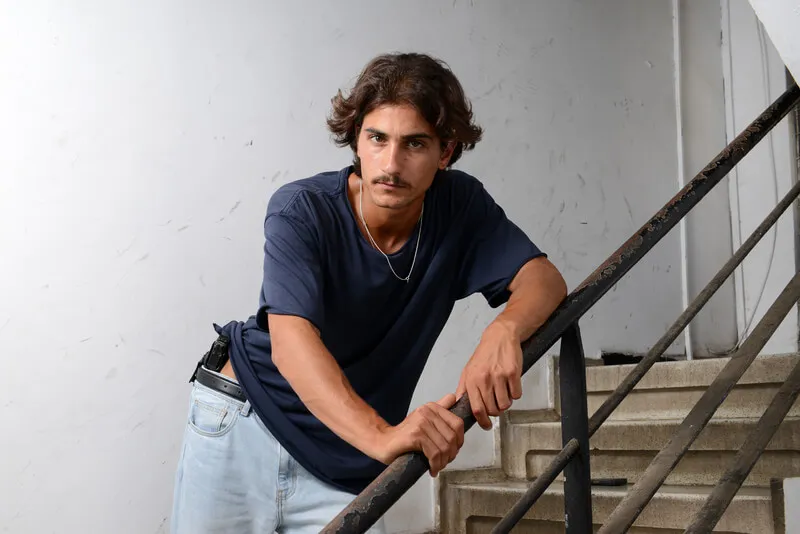
After a campaign that lasted for more than two years, Ronit, 25, managed to get a disability rating from the state. Around six months ago, however, she was informed that her rating was being cut – and she has been struggling to survive ever since.
“At the time of the Nova festival, I was an officer in the Border Police doing my compulsory service,” she says. “I went to the party with 30 friends. As we were fleeing, the only thing I could think of was how to rejoin my unit and my team.” Having hitchhiked her way to safety, Ronit made it all the way to Tel Aviv – just to get her weapon. “It was still dangerous to go anywhere by road, but I managed to join up with my unit,” she adds. In the immediate aftermath, she says, she was engaged in combat 16 hours a day. She sunk herself into her military duties and didn’t think twice about what she had gone through.
“I felt as if being active would help me maintain my sanity,” she says. “I still didn’t even know what post-trauma even was.” Eight months later, however, the trauma hit hard.
“I tried to sublimate the difficulties and just sink into my work. And then I started having post-traumatic symptoms – flashbacks, constant tension in my body, sleeplessness, my brain just couldn’t turn itself off – and I had bursts of rage any time something reminded me of the trauma. But I was still very task focused and I put my mental health to one side. I decided that I didn’t care about anything. I didn’t even go to some of my friends’ funerals,” she says.
At one stage, Ronit contacted the Defense Ministry, but an official there told her that, in order to file a claim, she would have to be discharged from the army first. “I told them that I didn’t want to leave the army but that I did want psychological help. They told me to contact the mental health officer, who isn’t a psychologist or even a clinical social worker. I went to see her once and quickly realized she couldn’t help me.
“I contacted the Defense Ministry again and asked to see a psychologist. They told me again that I had to be discharged first. I replied that I still have 14 months until my discharge and that I want to be honorably discharged, not leave because of a mental health problem.” Eight months later, Ronit’s symptoms worsened and the commander of her unit suggested that she move to an administrative role – so that she would not have to be out in the field every day. She was discharged on the planned date and, now that she is back in civilian life, she is starting to fight for her rights.
“I was a lone soldier; I didn’t have parents who could pay for a psychologist for me. During those many months, I didn’t get anything; no treatment of any kind,” she says. “When the committees started, I had to prove that my mental issues all stemmed from what happened at the Nova festival. It took five months for me to even get temporary recognition of my condition. And throughout this whole time, no one is paying my rent or my basic living expenses. I entered a period where, quite simply, I was fighting for my life.
“I switched jobs, but I was suffering from panic attacks during the workday and eventually I got fired from all of them. My mental health deteriorated and it was only when I came across the Safe Heart foundation that I started to have weekly meetings with a psychologist,” she adds, referring to the non-profit established after October 7 to provide festival survivors with free mental health care from therapists experienced in treating severe trauma. Around a year ago, Ronit was recognized as being unable to work at all because of her mental health. “I started getting a monthly stipend. From that moment on, I also started getting funding for a psychiatrist and reimbursement for medication,” she says – before adding that the situation quickly took an unexpected and unwelcome turn.
“About six months ago, my disability rating was cut. They try to explain that it’s for my own good, so that I have to go out to work. Most of my salary goes on rent; I’m just trying to keep my head above the water.”
Ronit stresses that she has contributed to the state and completed her military service despite all the difficulties, so what she is asking for is not pity. She just wants to get the rights she is entitled to. “My dream is to work and earn a lot of money. But the more I make myself stressed out, I choke, slump into a depression and could even harm myself; I turn off my telephone and sever all communication with the outside world. I don’t want to find myself in those kinds of situations. The Defense Ministry cut off the funding to force me to work, but it just doesn’t work like that when you’re in poor mental health.”
Neria’s testimony: ‘They told me to meet with the mental health officer on the same base where I was traumatized’

Neria Goelman, 23, is also very familiar with the bureaucratic struggle for anyone who wants to exercise their full rights with the Defense Ministry. “I was enlisted in 2021 in the 13th Battalion of the Golani Regiment and from there I went on to serve as company sergeant major for a unit of spotters in the Gaza Battalion,” he says. He went to Nova to work at the festival. He finds it hard to talk about what he experienced there. He will only say that he was exposed to some of the harshest things a person can witness and that, after October 7, he was unable to return to his base.
“I only went there to see my soldiers who had survived and to give them a hug,” he says. “In the meantime, I tried to work out what my rights were. The Defense Ministry told me that only after I was discharged could I start the process of getting my rights.” He adds that the solutions that the Defense Ministry offered him were not relevant. “They told me to meet with the mental health officer from the Gaza Battalion. On the same base that was overrun by terrorists on October 7, at the same place where I experienced the trauma,” he says, the anger evident. “It took almost 10 months until I was officially recognized. Throughout that entire period, I had no support network and wasn’t getting any treatment. I come from a religious family with 11 children. Even my father was called up for reserve duty, so my family couldn’t help.
“It was a continuous sense of abandonment. At Nova too, I called the police dozens of times, and no one answered. We lay there, exposed to terrible horrors, waiting for the strongest army in the world to arrive. In a certain sense, it cemented that feeling of helplessness in me. You feel abandoned inside the trauma. You are alone in the world,” he says.

After 10 months, Neria was granted a 50 percent permanent mental health disability rating. At the same time, he was battling for the state to recognize the physical injury he also sustained. “My hearing in both ears has been affected. They still haven’t summoned me to a medical committee. When mortar shells are landing right next to you and an RPG explodes just meters from your head, you expect somebody to take responsibility.”
“There are soldiers who still haven’t received adequate recognition, so they cannot get the package of support they need,” Hirsch explains. “And there are also those who have received no recognition at all. Even among those who were recognized, it isn’t certain they are getting all the support they require. It’s the state’s role to reach out to them. It needs to do this on every level: psychologically, financially and physically. The Rehabilitation Department needs to pick up the phone to every single one of them and check how they are doing. Not just to tick a box, but to conduct a real assessment and guide them toward the support that suits them.”
Two Sisters, Two Different Systems
D., who went to the Nova festival with her sister, was discharged from the army and immediately called up for reserve duty. “When I was in reserve duty, I did not have the emotional and mental space to deal with my claim,” she says. “When reserve duty was over, the trauma came flooding back at full force. I stepped out into the real world as a Nova survivor, and everything flooded back. Nightmares, hyperarousal. We’re still at war. Even a notification about a round of escalation with Iran triggers severe anxiety.
“The 17,000 shekels that civilians received right away and we didn’t created a huge gap between us. I was at Nova with my sister, but she was a civilian. She immediately received treatment, as well as the 17,000-shekel grant. At the end of the day, that’s money that gives you breathing room, because no one is really capable of going back to work immediately after October 7. I started a job two weeks before Nova, but I haven’t been able to return to it since.”
According to Hirsch, “17,000 shekels for soldiers is nothing in terms of the state budget, but for them it’s a significant sum. Beyond the money, however, the emergency grant was supposed to bridge an ethical gap. How can you say to soldiers who were there: The civilians who were right there by your side got this support – but you won’t. Is that any way to build the future generation of the State of Israel? You don’t get help because you were in uniform at the time? What a terrible thing to have to say.”
Ronit agrees: “My friends, who were at the Nova festival, got emergency grants, flew off to retreats and started the healing process. I was in the army that whole time. I wasn’t dealing with what I experienced, I was just continuing to give of myself to the state. Today, they already have a disability rating, some peace of mind, and they can choose whether to work and how much. I am still dealing with the paperwork, with another psychiatrist, with another ad hoc committee hearing, another meeting with the social worker.”
“Only nonprofits have been there for me over the past three years; they gave me what I expected the state to provide,” says B. “You don’t understand these things, you feel totally lost. I also have a really hard time with bureaucracy. You understand that there’s a backlog to begin with, so I didn’t get too worried. But, in the end, time is passing and someone needs to start doing their job.”
Responses:
The IDF Spokesperson’s Unit submitted the following response: “Any soldier who has experienced a traumatic event, particularly on October 7, is eligible for immediate mental health treatment, free of bureaucracy and without requiring prior recognition, from the very first moment they contact the mental health system. The IDF’s mental health department provides broad clinical support while maintaining continuity of care whenever possible. With the outbreak of the war, the department proactively reached out to all service members who were at the Nova festival to make these resources accessible.”
The Defense Ministry’s Rehabilitation Department said in response: “Since October 7, the division has operated according to a ‘Rehabilitation First’ policy, providing immediate psychiatric and medical treatment to thousands of citizens who applied for recognition. These services are provided throughout the entire process to enable them to begin their rehabilitation and stabilize their condition before appearing before a medical board. Following outreach by the IDF mental health department to 185 conscript and career soldiers who attended the festivals, 134 soldiers are currently receiving treatment through this department.”