



After Shomrim Investigation, Privacy Authority Clarifies: Local Governments Cannot Use LPR Cameras Without Explicit Legal Authorization
Earlier this year, Shomrim and N12 revealed that local authorities in Israel were using smart cameras to enforce parking regulations – without the legal authority to do so. Now, one municipality has told residents that tickets issued using this system are null and void. The Ministry of Justice’s Privacy Protection Authority issued a clarification: Local authorities are prohibited from using cameras equipped with license plate recognition technology for parking enforcement.
Shomrim has submitted freedom of information requests to dozens of local authorities and will continue to follow the story to uncover how much money has been levied.
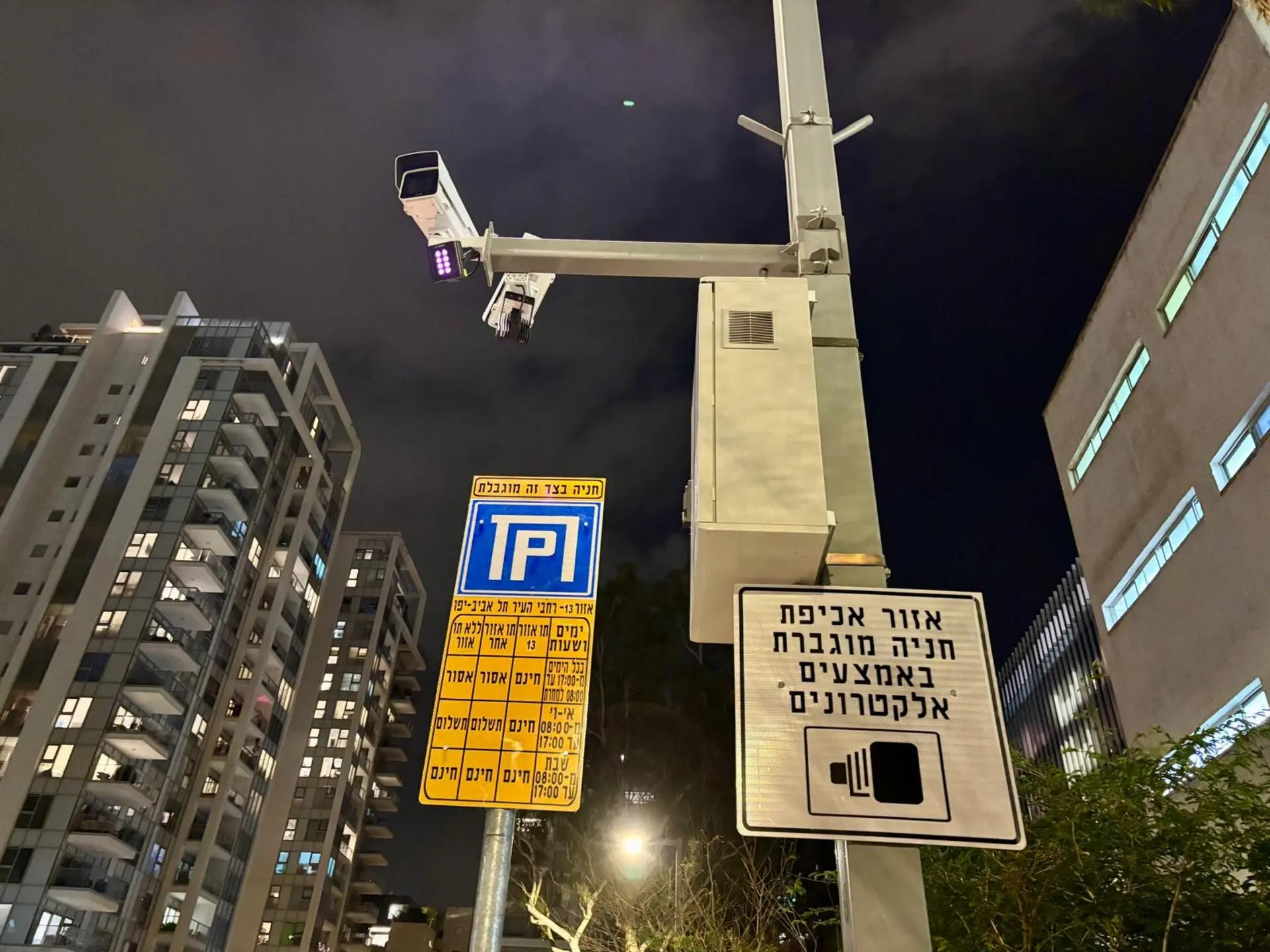
Earlier this year, Shomrim and N12 revealed that local authorities in Israel were using smart cameras to enforce parking regulations – without the legal authority to do so. Now, one municipality has told residents that tickets issued using this system are null and void. The Ministry of Justice’s Privacy Protection Authority issued a clarification: Local authorities are prohibited from using cameras equipped with license plate recognition technology for parking enforcement.
Shomrim has submitted freedom of information requests to dozens of local authorities and will continue to follow the story to uncover how much money has been levied.
Earlier this year, Shomrim and N12 revealed that local authorities in Israel were using smart cameras to enforce parking regulations – without the legal authority to do so. Now, one municipality has told residents that tickets issued using this system are null and void. The Ministry of Justice’s Privacy Protection Authority issued a clarification: Local authorities are prohibited from using cameras equipped with license plate recognition technology for parking enforcement.
Shomrim has submitted freedom of information requests to dozens of local authorities and will continue to follow the story to uncover how much money has been levied.

Rachely Edri-Hulata
April 26, 2026

Summary


Listen to a Dynamic Summary of the Article
Created using NotebookLM AI tool
Last week, the mayor of Rosh Ha’ayin published a post on the city’s Facebook page, announcing that – in light of a decision by the municipal prosecutor – it had been decided to annul all of the traffic fines that were issued using the fixed enforcement camera. The municipal prosecutor’s decision means not only that any outstanding parking fines are to be canceled – but also that City Hall will fully refund any fines paid by residents.
The decision came after a deluge of complaints to City Hall by residents and public pressure. In the announcement itself, the municipality used legally cautious language to explain the decision, saying that “no defects were found in the operation of the enforcement camera” and that the annulment of fines was being done “as a gesture of goodwill” to allow the public more time to get used to the new parking rules.
The announcement by the Rosh Ha’ayin mayor comes after a series of investigative reports by Shomrim and N12, which revealed that many local authorities in Israel were using license plate recognition (LPR) systems to enforce parking rules – in violation of a District Court ruling that using LPR cameras for this end was against the law.
These investigations also revealed that the Israel Association of Municipal Treasurers issued a legal opinion, warning the heads of local authorities that continuing to levy fines based on citations issued using these LPR cameras could be a political and legal minefield.

This week saw a further development when the Justice Ministry’s Privacy Protection Authority published a detailed clarification, according to which “local authorities are prohibited from using cameras equipped with license plate recognition (LPR) technology for parking enforcement without explicit legislative authorization, given the infringement on privacy involved in using such cameras for enforcement purposes.”
In the official publication, the Privacy Protection Authority added that just by making use of these cameras, local authorities are undermining residents’ privacy, since LPR cameras have the ability to automatically recognize and subsequently store a vehicle’s plate number and then cross-reference that information with other bodies’ databases. Similarly, these systems can automatically process huge amounts of data, while making assumptions about the location of a specific vehicle – which can then be used to extrapolate information about the location and activities of an individual.
The document added that the Privacy Protection Authority will consider using the powers afforded to it by law against local authorities if the need arises.
Despite the ruling, LPR enforcement continues
While the Israel Police is subject to stringent regulations, such as those it is required to follow when using the Eagle Eye surveillance network, local authorities employed similar systems without having the explicit legal authority to do so. They based their decision to use them solely on creative interpretations of circulars issued by the director-general of the Ministry of Interior – despite this not giving them any legal authority under the circumstances. In practice, the local authorities used advanced technology without having been given legal authority to do so – especially in light of the potential violation of privacy that the technology could lead to.
As part of its investigations, Shomrim submitted freedom of information requests to dozens of local authorities, in order to understand just how much money they had raised through the use of these enforcement cameras. Despite evidence on the ground, many of the authorities responded by saying that they do not use LPR technology at all – a response that was disproved by evidence submitted to Shomrim.
Since publication of the investigation and the District Court ruling, which barred the use of LPR technology without legal authority, Shomrim has continued to receive complaints from members of the public – residents of cities like Tel Aviv, Hod Hasharon, Kfar Saba, Kiryat Ono and Ramat Hasharon – who say that they have been issued fines based on information that may have been illegally collected. For example, just last week a District Court appeal was filed against Kfar Saba Municipality over a parking fine issued by an automated system.
The largest local authority which still uses LPR technology for enforcement is Tel Aviv. Following the District Court ruling barring the use of the technology for parking enforcement, City Hall told Shomrim that it uses “fundamentally different” technology. Shomrim analyzed a series of internal municipal documents and found that, notwithstanding City Hall’s assertion, Tel Aviv ordered and operated LPR systems, which it used to issue thousands of parking fines.
Now Shomrim is actively working to uncover the contract between Tel Aviv Municipality and Safer Place, the company which operates the city’s LPR system. Following a freedom of information request submitted by Shomrim, Tel Aviv acquiesced and provided a copy of the contract. It was at this stage, however, that Safer Place raised objections to sharing that information.
Rosh Ha’ayin Municipality submitted the following response: “Rosh Ha’ayin Municipality acted lawfully, in accordance with court rulings, Ministry of Interior guidelines and relevant circulars from the Ministry of Interior director-general. Contrary to claims made in various places, the municipality did not use LPR cameras or any prohibited equipment, but rather stationary enforcement cameras that are legally permitted.
“The municipal prosecution’s decision to cancel the fines was made strictly as a gesture of goodwill, and not due to any defect in the operation of the cameras. The municipality will continue to act with transparency and accountability, maintaining a proportionate and fair enforcement policy toward the public. The safety of our residents remains our top priority.”


.webp)