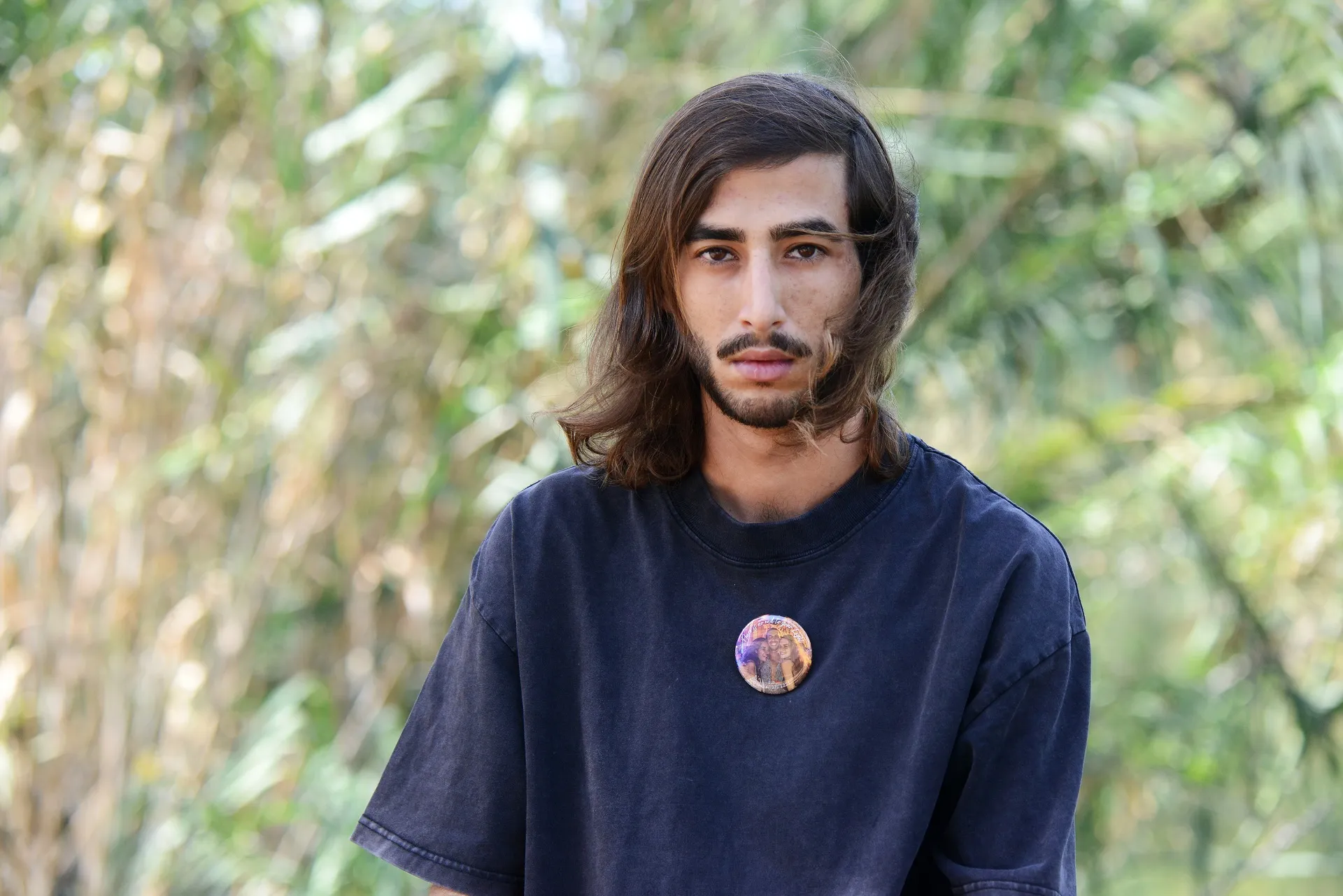



Three Years Since October 7: Nova Survivors Struggling to Get Their Lives Back, Soldiers Who Died by Suicide, the Neglect – and the Battle Over the National Memory
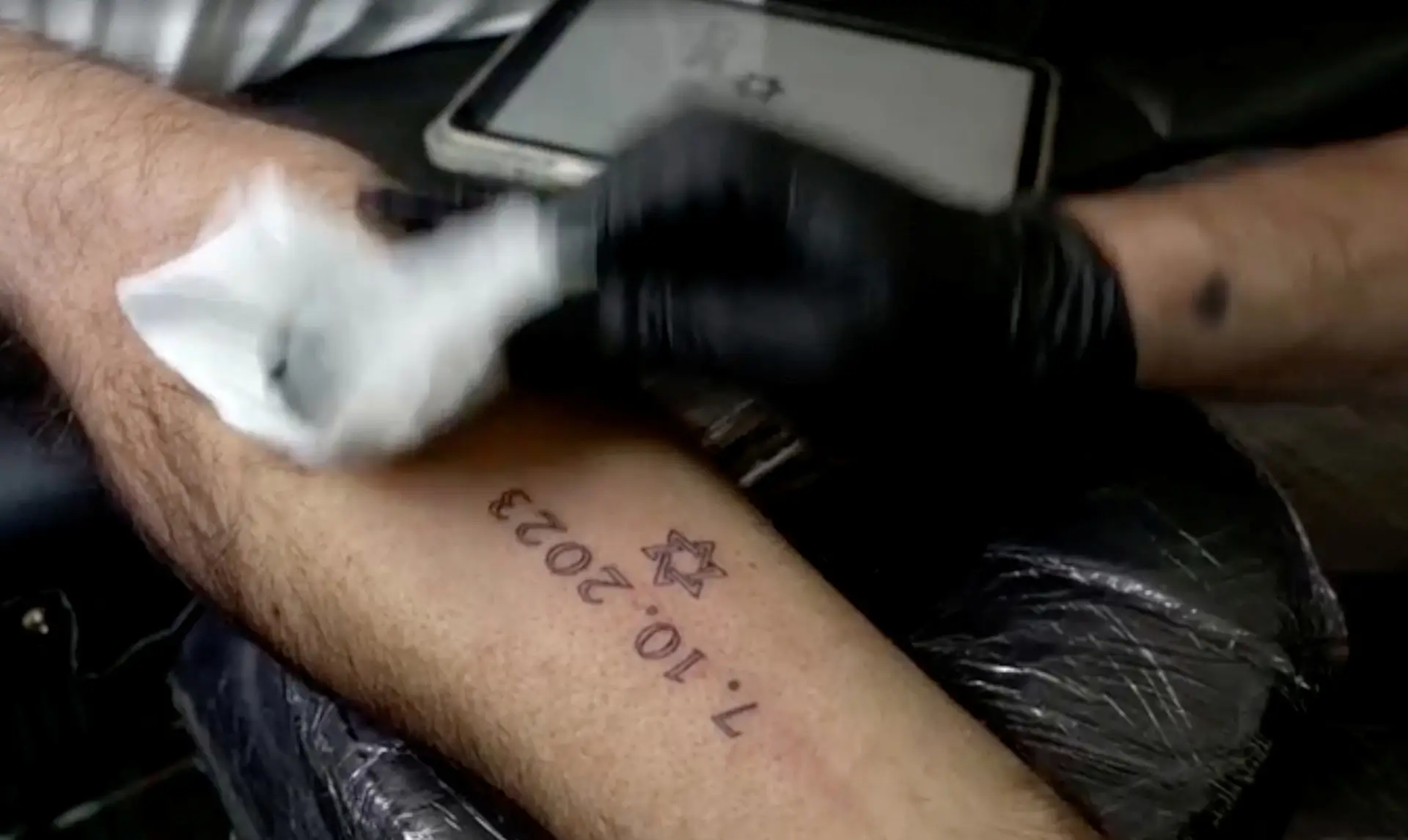
Since the Hamas massacre on October 7, 2023, Shomrim has been covering every aspect of the tragedy and its ramifications: the invisible victims of the war – soldiers, young people whose entire lives have come crashing down. The struggle to secure the release of the hostages and the difficulties they face getting their lives back on track – as well as the battles over how to shape the national collective memorialization.
Since the Hamas massacre on October 7, 2023, Shomrim has been covering every aspect of the tragedy and its ramifications: the invisible victims of the war – soldiers, young people whose entire lives have come crashing down. The struggle to secure the release of the hostages and the difficulties they face getting their lives back on track – as well as the battles over how to shape the national collective memorialization.
Since the Hamas massacre on October 7, 2023, Shomrim has been covering every aspect of the tragedy and its ramifications: the invisible victims of the war – soldiers, young people whose entire lives have come crashing down. The struggle to secure the release of the hostages and the difficulties they face getting their lives back on track – as well as the battles over how to shape the national collective memorialization.
Photo: Reuters
Shomrim
October 4, 2026

Summary


Listen to a Dynamic Summary of the Article
Created using NotebookLM AI tool
Below are just some of the articles we have published:
1.
The Heavy Mental Toll: One in Two October 7 Fighters Is at Risk of Experiencing “Moral Injury”
“Moral injury” is the conflict between an individual’s moral code and the actions they committed or witnessed on the battlefield. And if that sounds detached from the reality of war, it is worth understanding the severe consequences – from depression to suicidal ideation: “When you enter combat fueled by a desire for revenge, you do things that you may later look at differently.” A report by Haim Rivlin.
2.
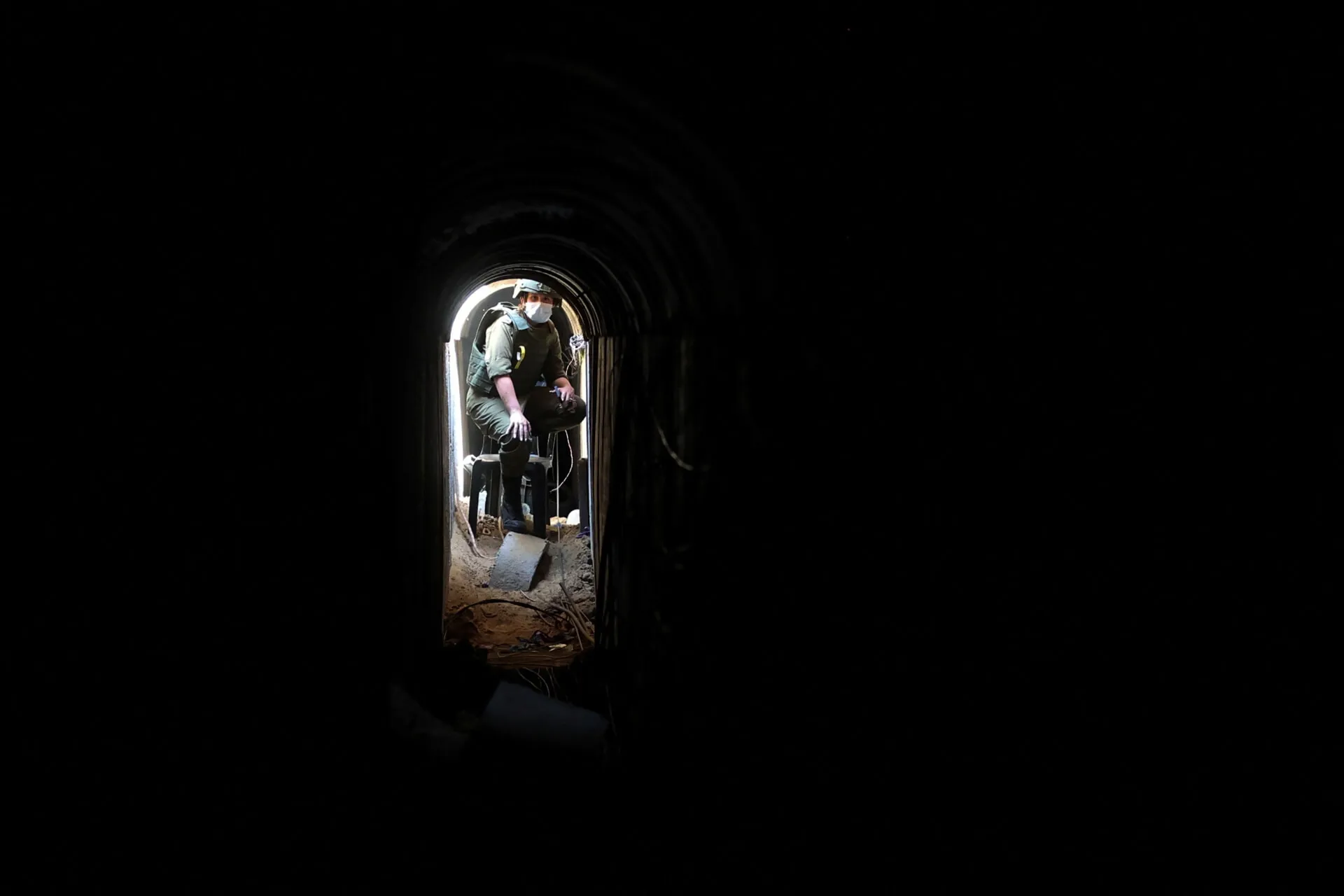
How Netanyahu’s Government Is Rewriting the Memory of October 7
The prime minister has not taken responsibility for the failings and the massacre itself, yet he is going to be responsible for commemorating it. According to the law being promoted by the ruling Likud party, Netanyahu himself will be in charge of the national memorial site that is being planned, he will control the archive that will determine which testimonies are preserved and which disappear – and he will appoint the members of the council that will stream commemoration budgets. A report by Shuki Sadeh.
3.
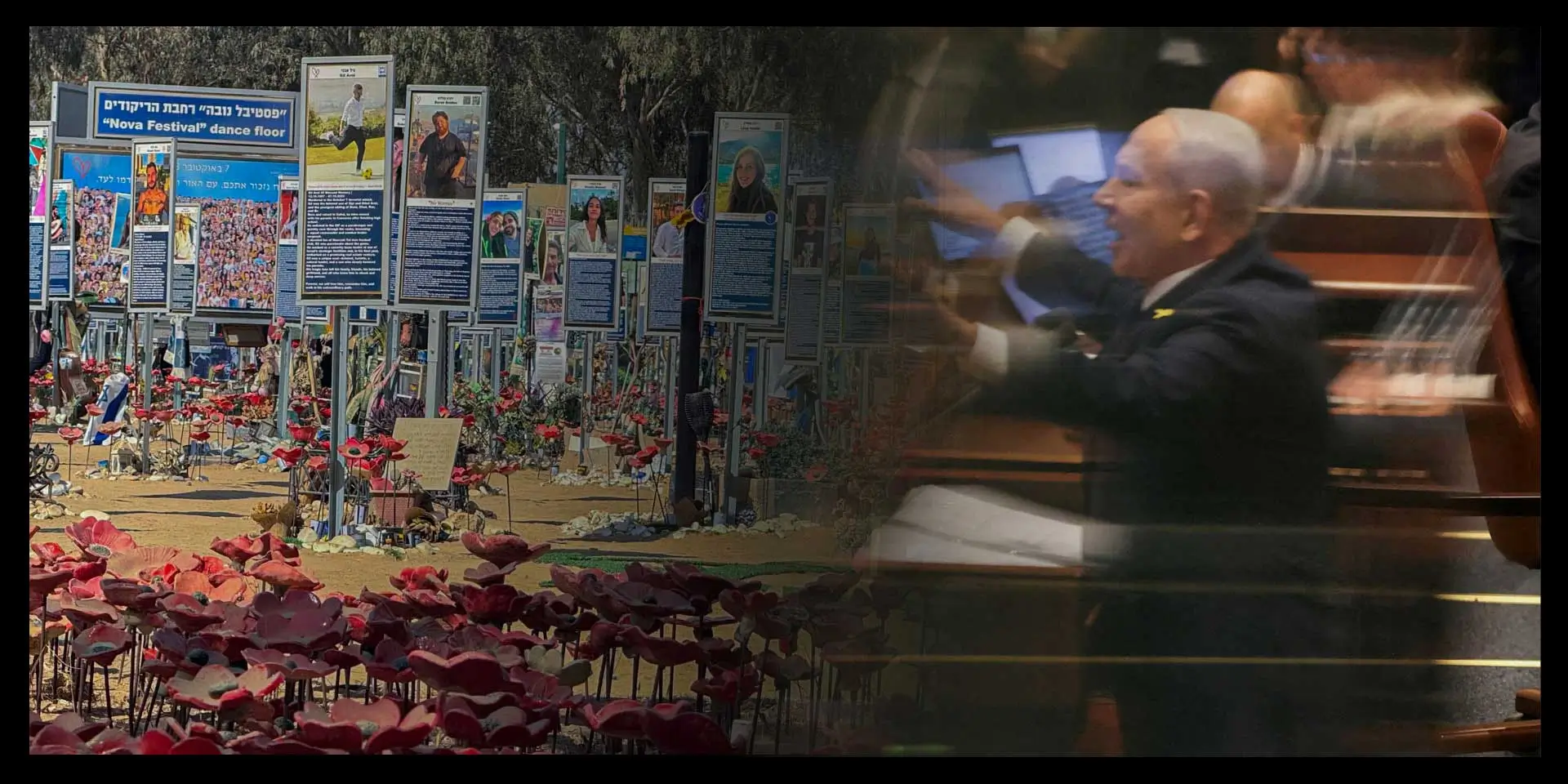
The Transparent Victims of the War: Rise in Soldier Suicides, Mostly Reservists
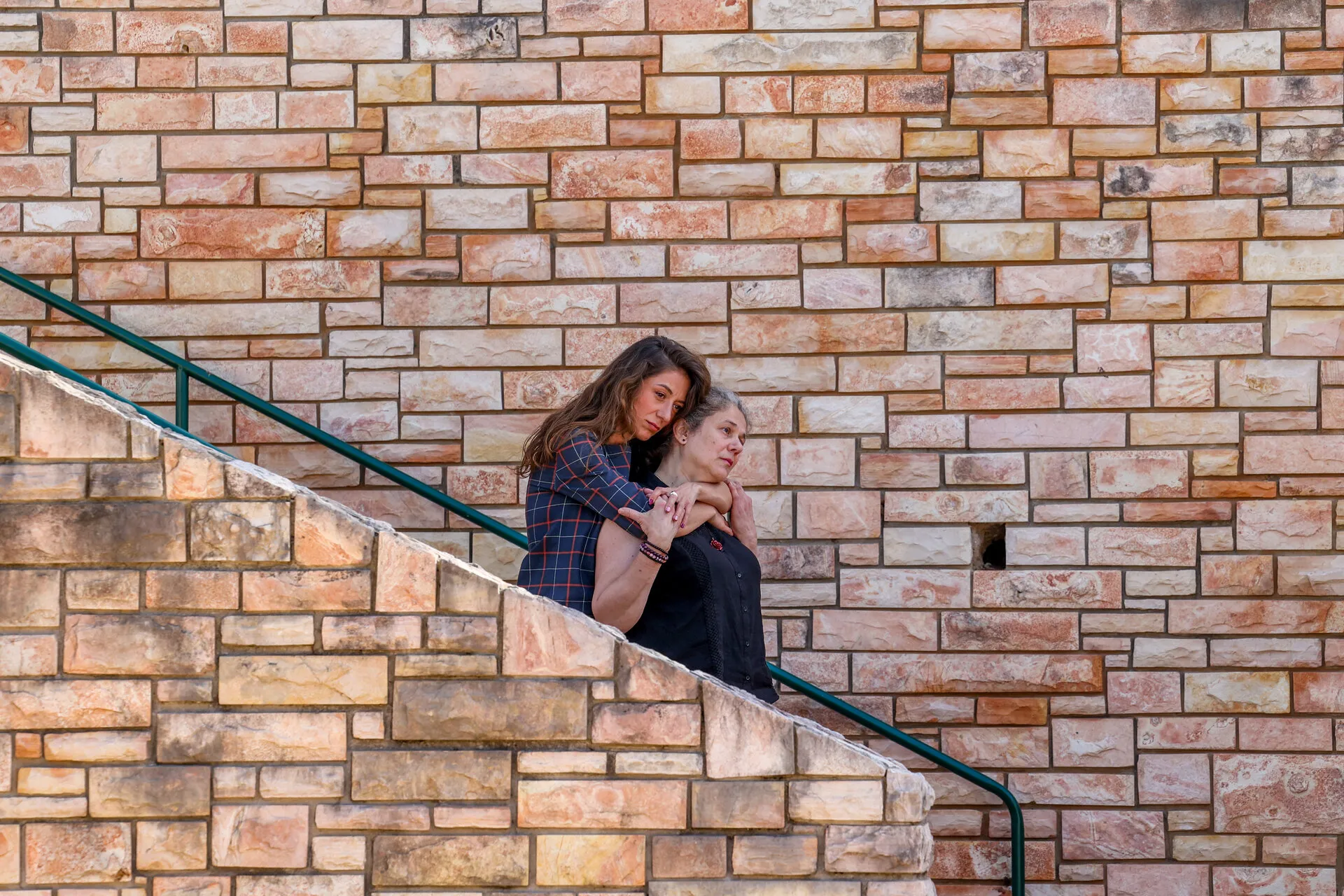
Eliran, a father of four, walked around the house wearing sunglasses. Vladislav, who had an infant son, returned from 10 months of reserve duty a changed man. Nir left behind Nofar and their three children: “He was dead a long time before he died by suicide. His soul died in Gaza”. The number of soldiers committing suicide is on the rise, most of them reservists, and experts warn that the wave is still ahead of us. Yael Shani’s report.
4.
They Survived the Nova Massacre. Being Soldiers Made It Harder to Get Help
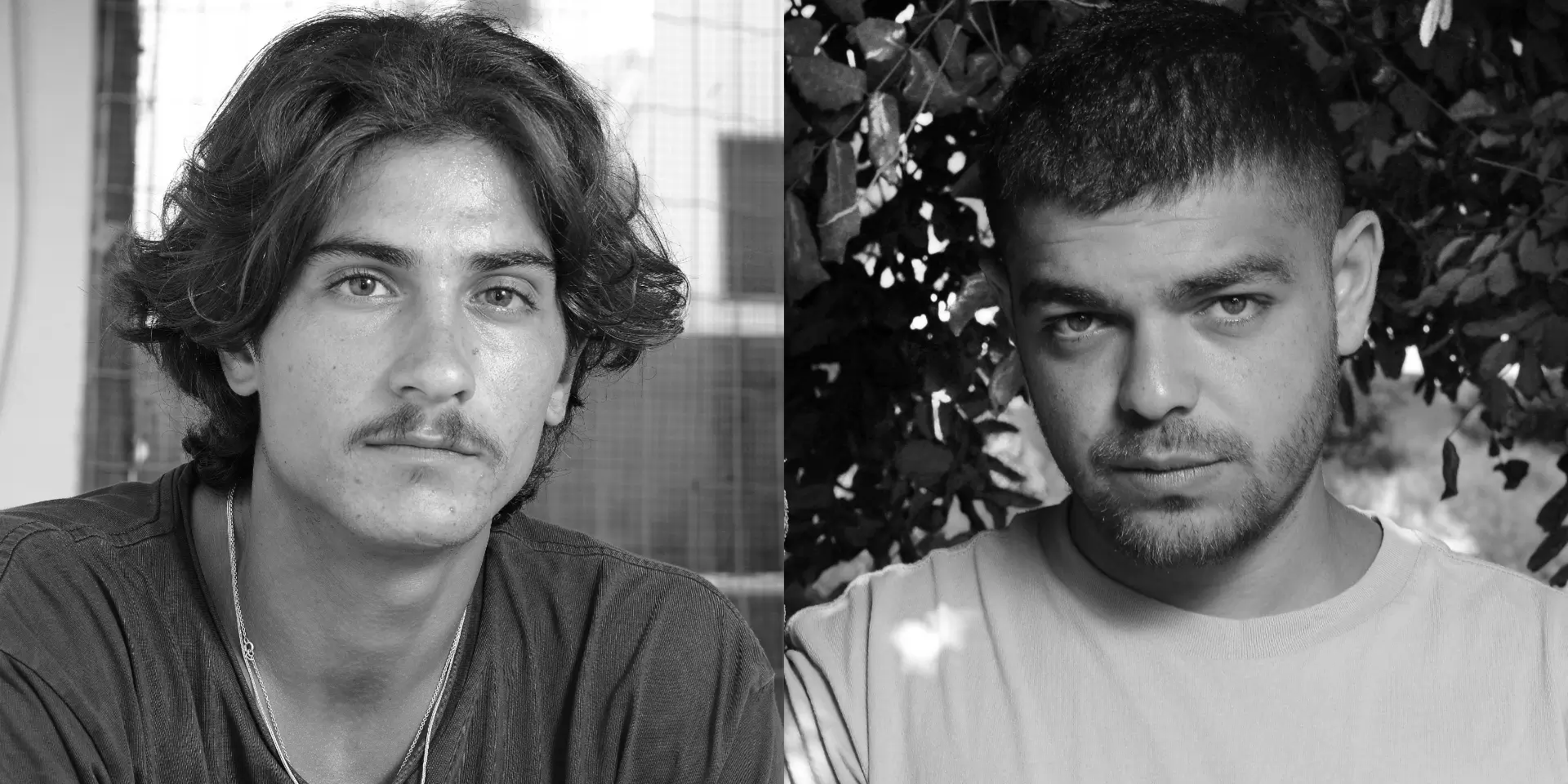
Hundreds of soldiers were at Simchat Torah parties on October 7, but those who chose to continue serving discovered that the path to recognition, treatment and rights is much longer. Three years later, dozens of them are still waiting for recognition and describe a system that leaves them to cope alone. In conversations, they share painful experiences and a sense that they were left behind and abandoned time and time again. A report by Yael Shani.
5.
The Other Battlefield: Surge in Opioid Use Among Wounded Gaza Soldiers
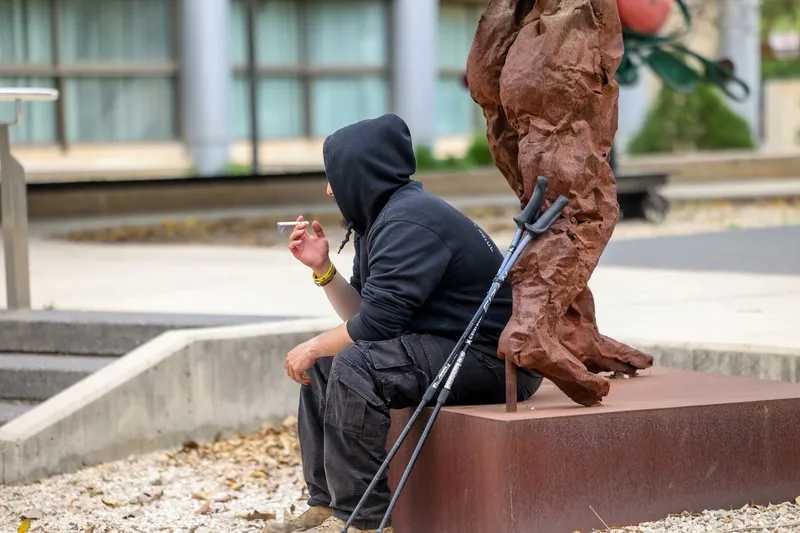
Eli, a fighter who was injured on October 7, took “12 to 15 pills a day”. Yuval, who was shot, describes the pain: “Imagine someone is electrocuting your leg, not letting go, and then coming with a lighter.” Data obtained by Shomrim indicates a surge in opioid consumption in hospital rehabilitation wards. Professionals are struggling to keep use from spiraling out of control and leading to dangerous addiction: “If you stop them cold turkey, they will move to street drugs.” Daniel Dolev’s report.
6.
Hostages and their Families: Is the Government Doing Enough?
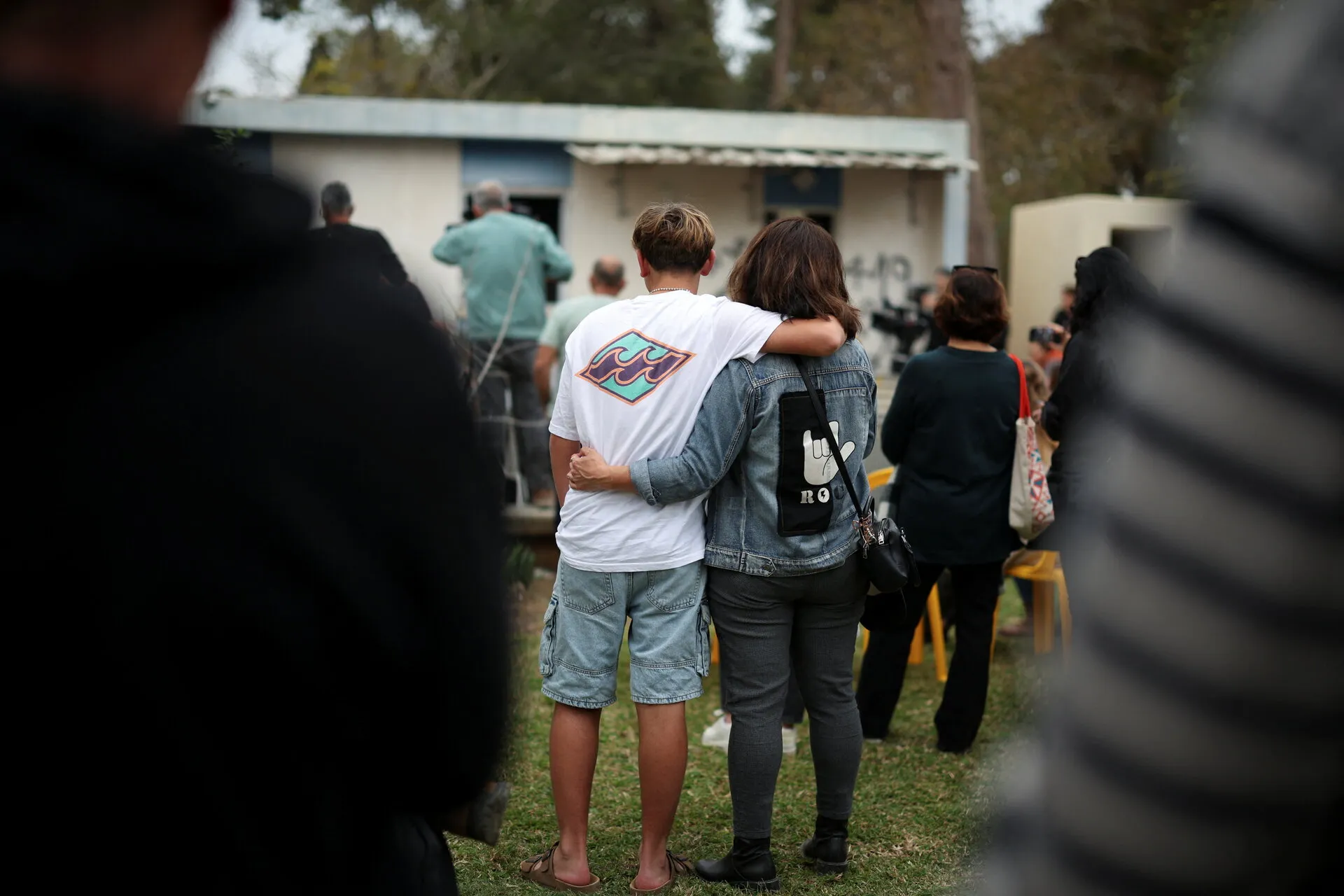
The female abductee who suffered a panic attack “when they suddenly told me that it was time to start thinking about work.” The father of a freed abductee, who is fighting for the family members who were neglected: “We were in the middle of an ongoing terror attack for 54 days; there are families who have been in a terror attack for 500 days.” The mother of an abductee murdered in captivity, who, a month later, had to return to work but was unable to: “You understand that your life has changed. In meaning. In the ability to function”. Shomrim reporting on the war being waged by former hostages the days and weeks after returning from captivity – and why their families are forced to raise money through crowdfunding. A report by Chen Shalita
7.
Nova Survivors Struggle to Get Their Lives Back on Track
Severe post-trauma, drug addictions, exhausting medical committees and a welfare and health system that is abandoning them. While the state settles for temporary grants and insensitive bureaucracy, volunteer communities and NGOs are the ones keeping survivors’ heads above the water. But without knowledge and experience, in some cases they also create problems: “I fought to stay alive and now I feel like I’m fighting everyone”. The Tribe of Nova community: “At every event, the association calls on all its members not to use substances, but in certain cases it is unable to enforce this”. Yael Shani reports.